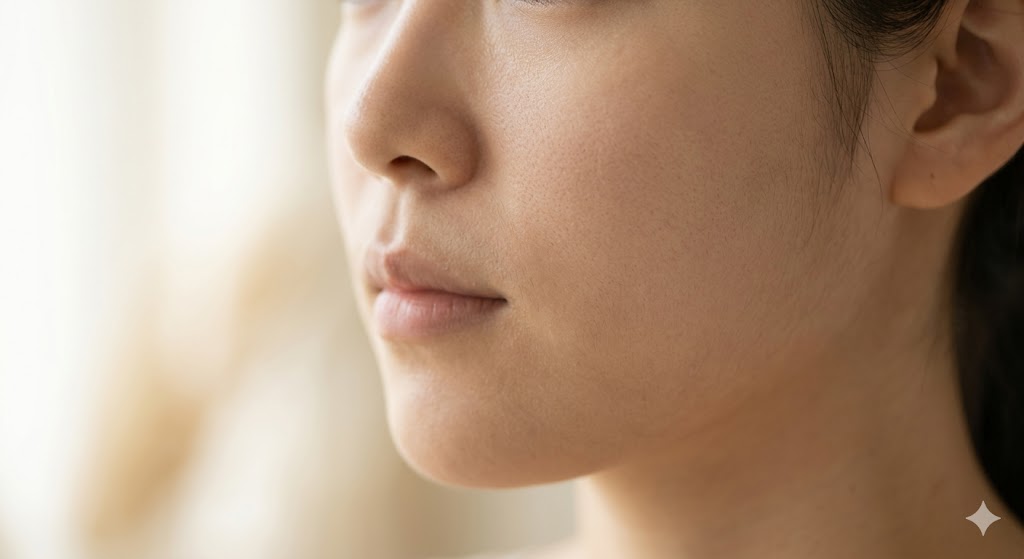
Acne scar treatment works best when the scar type is correctly identified first — not when the strongest device is applied. Different scar types have different structures beneath the skin, which means they do not respond equally to the same treatment. Choosing a protocol without a proper diagnosis is one of the most common reasons patients experience disappointing results.
What Are Acne Scars, and Why Are They All Different?
Acne scars are permanent structural changes in the skin caused by inflammation from past acne lesions. Because the damage beneath each scar is structurally different, no single treatment addresses all scar types equally. Dermatology literature classifies atrophic acne scars into three main types: ice pick, rolling, and boxcar scars.
What Are the Three Main Types of Acne Scars?
There are three distinct types of atrophic acne scars, each with a different underlying structure that determines which treatment approach is appropriate.
Ice Pick Scars
Ice pick scars are narrow but extend deep into the dermis, often resembling tiny holes or enlarged pores. Because the damage reaches the deeper skin layers, surface resurfacing treatments alone are frequently insufficient. Targeted procedures such as TCA CROSS — which involves applying trichloroacetic acid precisely inside the scar — are commonly used to stimulate collagen remodelling within the scar itself.
Rolling Scars
Rolling scars create a wave-like or uneven skin texture caused by fibrous bands beneath the skin that pull the surface downward. Surface laser treatment alone may not fully correct rolling scars because the tethering underneath remains. Subcision — a procedure that releases these fibrous attachments — is typically performed before collagen-stimulating treatments to allow the skin surface to lift properly.
Boxcar Scars
Boxcar scars are wider depressions with clearly defined edges and a crater-like appearance. Shallow boxcar scars often respond well to resurfacing treatments, while deeper boxcar scars may require combination approaches depending on scar depth and individual skin condition.
Why Is One Treatment Rarely Enough for Acne Scars?
A single treatment rarely addresses all scar types because each scar has a different underlying structure requiring a different mechanism of action. Effective acne scar treatment plans typically use combination therapy — matching each modality to the specific scar type present.
Many patients undergo repeated sessions of one treatment and become disappointed with the results. The issue is often not that the device does not work — it is that the treatment was not properly matched to the scar type.
Depending on scar structure, a complete treatment plan may include:
| Treatment | Primary Use |
|---|---|
| Subcision | Releases fibrous bands beneath rolling scars |
| Fractional laser resurfacing | Stimulates collagen; improves surface texture |
| TCA CROSS | Targets deep ice pick scars specifically |
| Chemical peels | Addresses surface texture and post-inflammatory pigmentation |
| Dermal fillers | Provides volume correction in select atrophic scars |
| Pigment-control skincare | Manages post-inflammatory hyperpigmentation (PIH) |
This is why proper scar diagnosis must come before treatment selection.
How Long Does Acne Scar Treatment Take to Show Results?
Acne scar treatment typically produces gradual, progressive improvement over weeks to months — complete scar removal is uncommon. Most treatments work by stimulating collagen remodelling, a biological process that takes time to develop after each session.
Published literature indicates that outcomes vary depending on scar type, skin type, treatment selection, number of sessions, individual healing response, and whether active acne is present. Realistic treatment focuses on progressive visible improvement over a series of sessions rather than complete elimination. âš ï¸ COMPLIANCE CHECK — the original article references “typically 50–80% improvement over a series of sessions”; verify this range is attributable before publishing and confirm whether a KKLIU number is required.
Why Does Skin Tone Matter in Acne Scar Treatment?
Patients with Asian and darker skin types carry a higher risk of post-inflammatory hyperpigmentation (PIH) — where dark marks develop after inflammation or aggressive procedures. This does not mean darker skin cannot be treated safely. It means treatment settings, laser selection, skin preparation, and aftercare must be planned carefully.
Overly aggressive treatment can worsen pigmentation or prolong recovery, particularly in higher Fitzpatrick skin types — which describes most Malaysian patients. Scar treatment in Malaysia should always be performed by a doctor who understands Asian skin behaviour and does not apply protocols designed for lighter skin tones.
How Should an Acne Scar Consultation Be Conducted?
A proper acne scar consultation evaluates the following before any treatment is recommended:
- Scar type (ice pick, rolling, boxcar, or mixed presentation)
- Scar depth
- Presence of active acne
- Skin tone and Fitzpatrick type
- Risk of post-inflammatory pigmentation
- Healing tendency and history of keloids
- Previous treatments and their outcomes
The right starting question is not “What is the strongest acne scar treatment?” — it is “What type of acne scars do I have, and which treatment combination matches my skin safely and effectively?”
Frequently Asked Questions About Acne Scar Treatment
Can acne scars be removed completely? Complete removal is uncommon. Most patients see significant improvement over a series of treatments, but expecting full elimination is unrealistic. The goal of treatment is meaningful, progressive reduction in scar visibility. âš ï¸ COMPLIANCE CHECK — any specific improvement percentage must be referenced to published literature before use.
How many sessions are needed for acne scars? This depends entirely on scar type and depth. Most treatment plans involve multiple sessions spaced several weeks apart to allow collagen remodelling to develop between appointments. Individual assessment is required to determine an appropriate plan.
Is acne scar treatment painful? Most modern treatments are performed with topical numbing cream and are well tolerated. Procedures such as subcision and TCA CROSS may involve more sensation than laser sessions and are typically performed with additional anaesthetic measures.
Can I treat acne scars while I still have active acne? Active acne should generally be controlled before aggressive scar treatments begin. Treating scars on actively inflamed skin can worsen pigmentation and trigger new lesions — addressing the active condition first improves both safety and outcomes.
Will treatment cause dark marks on my skin? There is always some PIH risk in Asian skin, but careful treatment selection, conservative settings, and proper aftercare significantly reduce this risk. Your doctor will assess your skin tone and healing tendency before recommending any procedure.
Every acne scar is different — and the right plan starts with knowing exactly what type of scars you have. If you would like a proper scar assessment, the team at Klinik Dr Diana — with branches in Senawang (Negeri Sembilan) and Bandar Baru Bangi (Selangor) — will examine your scar type, skin condition, and history, then walk you through a realistic treatment plan suited to your skin.
Book a consultation via WhatsApp or visit either branch directly.
References: Connolly D et al., Journal of Clinical and Aesthetic Dermatology, 2017; Fabbrocini G et al., Dermatology Research and Practice, 2010; and additional peer-reviewed sources cited in the original clinical review.