What is acne and why does it need medical treatment?
Acne is a chronic inflammatory skin condition caused by a combination of excess sebum production, clogged pores, bacterial overgrowth (Cutibacterium acnes), and inflammation. At Klinik Dr Diana, acne is treated as a medical condition — not a cosmetic inconvenience — because untreated or poorly managed acne can lead to permanent scarring, post-inflammatory hyperpigmentation (PIH), and significant psychological impact.
Acne affects patients of all ages — from teenagers experiencing their first breakout to adults dealing with hormonal flare-ups in their 30s and 40s. It is one of the most common skin conditions seen at Klinik Dr Diana’s Bangi and Senawang branches.
The key to effective acne management is accurate diagnosis. Not all breakouts are the same, and different acne types require different treatment strategies. Self-treating with over-the-counter products often delays proper care and increases the risk of scarring.
What types of acne does Klinik Dr Diana treat?
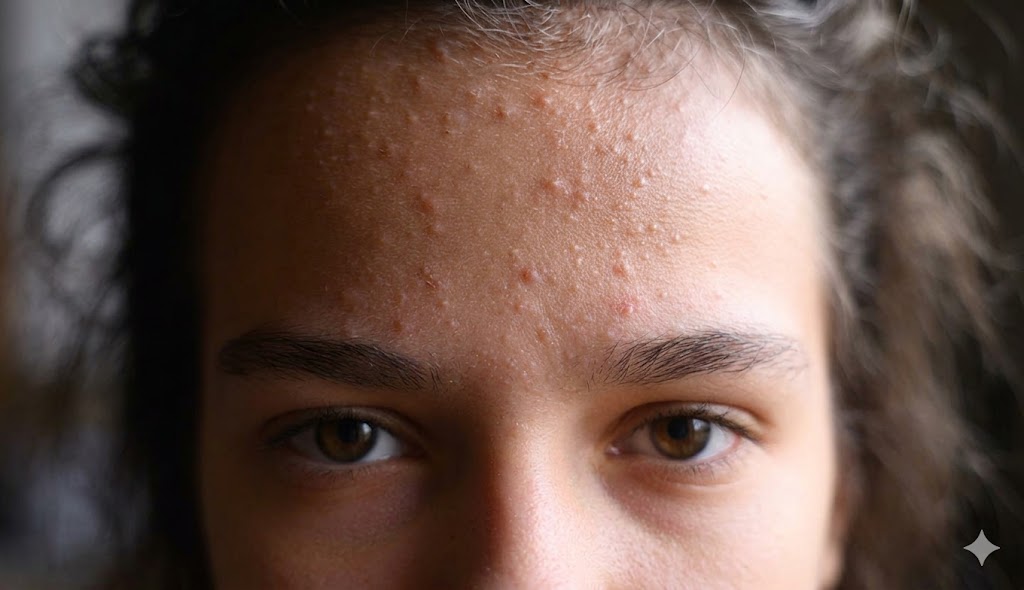
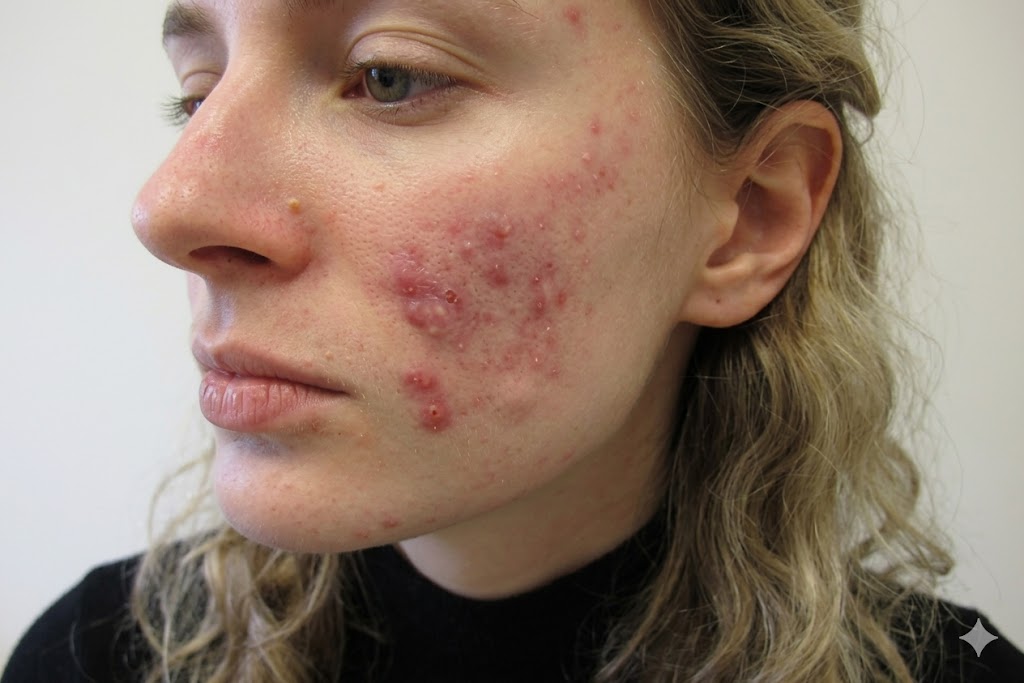
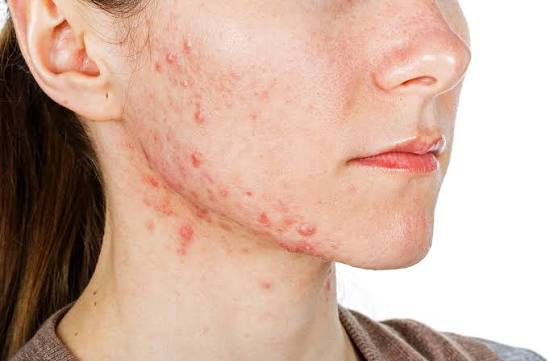
Klinik Dr Diana treats all forms of acne — from mild comedonal acne (blackheads and whiteheads) to severe cystic and hormonal acne. The doctor classifies your acne type during consultation to build the right treatment plan.
Comedonal acne (blackheads and whiteheads)
Comedonal acne presents as small, non-inflamed bumps caused by blocked pores. Blackheads (open comedones) are dark because the pore opening is exposed to air. Whiteheads (closed comedones) remain flesh-coloured and sit just beneath the surface. This type responds well to topical retinoids, chemical peels, and regular clinical extraction.
Inflammatory acne (papules and pustules)
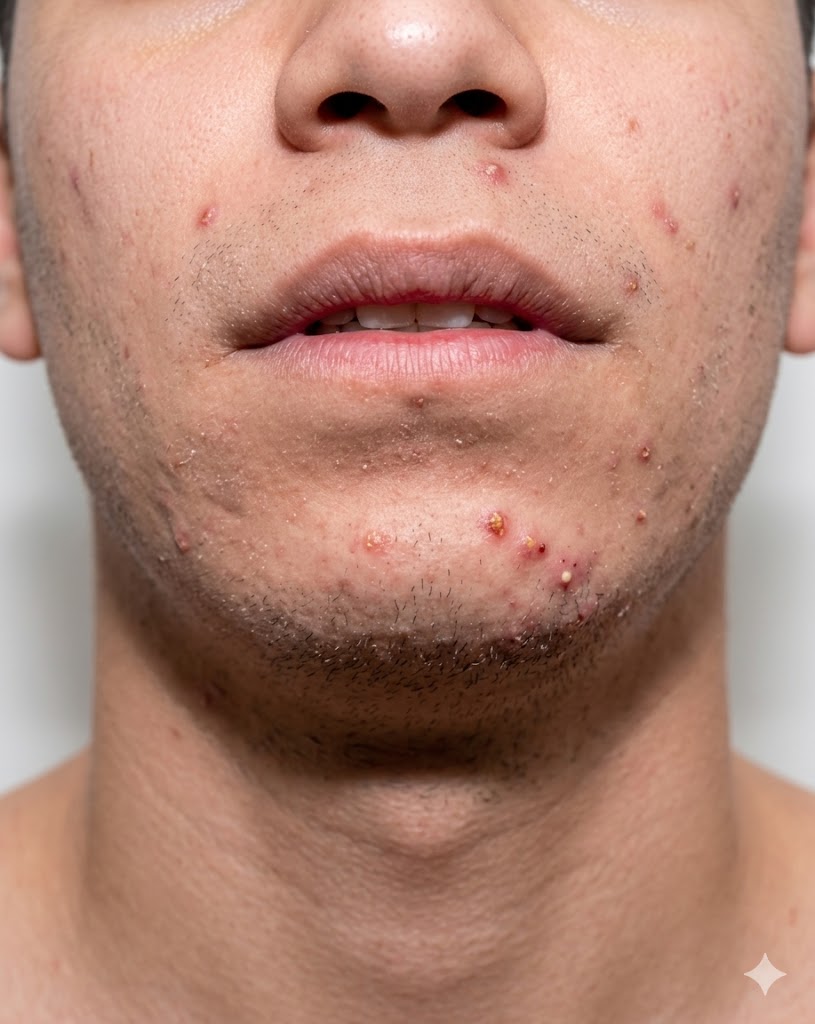
Inflammatory acne involves red, swollen bumps (papules) and pus-filled lesions (pustules). These indicate bacterial involvement and an active immune response within the pore. Treatment typically combines prescription medication — oral antibiotics and/or topical retinoids — with clinical procedures to reduce bacterial load and inflammation.
Cystic and nodular acne
Cystic acne produces deep, painful, fluid-filled lumps beneath the skin surface. Nodular acne involves hard, deep bumps without visible pus. Both carry a high risk of permanent scarring and require prompt medical treatment. Intralesional acne shots can provide rapid relief for individual cysts, while the broader treatment plan addresses the underlying cycle.
Hormonal acne
Hormonal acne typically appears along the jawline, chin, and lower face — often worsening around menstrual cycles, during pregnancy, or with hormonal changes. It tends to be persistent and resistant to standard topical treatment. Management may involve hormonal agents (where clinically appropriate), alongside prescription topicals and clinical procedures.
Why does acne keep coming back even after treatment?
Acne recurs because the underlying factors that cause it — hormonal fluctuations, sebum production, and bacterial colonisation — are ongoing. Medication controls the condition while you are taking it, but stopping treatment without a maintenance plan often leads to relapse within weeks or months.
This is the most common frustration patients report when they arrive at Klinik Dr Diana: they have tried multiple products, visited facial salons, or completed short courses of antibiotics — and the acne returns.
The problem is usually one of three things: the original diagnosis was incomplete (treating the wrong acne type), the treatment course was too short, or there was no transition to a maintenance phase after the active phase ended.
At Klinik Dr Diana, acne treatment is structured in two phases:
-
Active treatment phase — aggressive reduction of active lesions, inflammation, and bacterial load using the appropriate combination of medication, procedures, and clinical care. This typically runs 8 to 16 weeks.
-
Maintenance phase — once acne is controlled, the doctor transitions the patient to a lower-intensity regimen designed to prevent relapse. This may include adjusted topical medication, periodic chemical peels, and a tailored skincare routine.
Treating acne as a one-time event is why it comes back. Treating it as a managed condition is how sustained clearance is achieved.
What acne treatments are available at Klinik Dr Diana?
Klinik Dr Diana offers five core acne treatment modalities: oral and topical prescription medication, medical-grade chemical peels, clinical facial extraction, intralesional acne injection (acne shot), and — for selected patients — LED blue light therapy and fractional pico laser. The doctor selects and combines modalities based on your acne type, severity, and skin response.
Oral and topical prescription medication
Prescription medication is the foundation of most acne treatment plans. Oral options may include antibiotics (to reduce bacteria and inflammation), hormonal agents (for hormonal acne in women), and — in severe or resistant cases — oral retinoids. Topical prescriptions include retinoids, benzoyl peroxide, and combination formulations. The doctor adjusts the regimen based on response and tolerability.
Medical-grade chemical peels
Chemical peels at Klinik Dr Diana use medical-grade formulations — including salicylic acid, glycolic acid, and combination peels — applied under doctor supervision. Peels work by accelerating skin cell turnover, unclogging pores, reducing post-inflammatory marks, and improving overall skin texture. They are typically performed every 2 to 4 weeks as part of the active treatment phase.
Clinical facial extraction
Medical-grade extraction is performed by trained clinic staff under doctor protocol. Unlike salon facials, clinical extraction focuses on removing comedones (blackheads and whiteheads) hygienically using sterile instruments, reducing the comedonal load that fuels future breakouts. Extraction is not a standalone acne treatment — it is one step in a structured plan.
Intralesional acne injection (acne shot)
An acne shot is a small injection of diluted corticosteroid delivered directly into a large, painful, or cystic acne lesion. The injection rapidly reduces inflammation and swelling — typically within 24 to 48 hours. Acne shots are used for targeted relief of individual severe lesions and are not a replacement for a comprehensive acne management plan.
LED blue light therapy and fractional pico laser
LED blue light therapy targets Cutibacterium acnes bacteria on the skin surface without medication. Fractional pico laser is used selectively — not as a first-line acne treatment, but for patients whose acne has not responded adequately to standard approaches, or to address persistent post-inflammatory hyperpigmentation (PIH) and early textural changes. The doctor recommends laser only when clinically indicated.
Not sure which treatment is right for your acne?
Book a ConsultationHow does acne treatment at Klinik Dr Diana compare to other options?
| Approach | What it addresses | Limitations |
|---|---|---|
| OTC skincare products | Surface-level oil control, mild exfoliation | Lower active concentrations; cannot treat moderate to severe acne or underlying causes |
| Facial salon treatments | Extraction, surface cleansing | No medical diagnosis; no prescription medication; no treatment plan adjustment |
| GP / general clinic | Short-course antibiotics, basic topicals | Often no follow-up plan or maintenance phase; limited procedural options |
| Klinik Dr Diana (doctor-led aesthetic clinic) | Full diagnosis by type and severity; prescription medication + clinical procedures; structured active and maintenance phases | Requires commitment to follow-up visits; results depend on compliance with the treatment plan |
⚠️ COMPLIANCE CHECK: This comparison table states factual differences between approaches. It does not claim superiority. The “Limitations” column includes KDD’s own limitations for balance. Review before publishing.
How does the clinical process work?
Acne treatment at Klinik Dr Diana follows a structured four-step clinical process: assessment, treatment plan, active treatment, and maintenance. Every patient begins with a face-to-face doctor consultation — no treatment is prescribed before the skin is assessed in person.
Step 1 — Clinical assessment
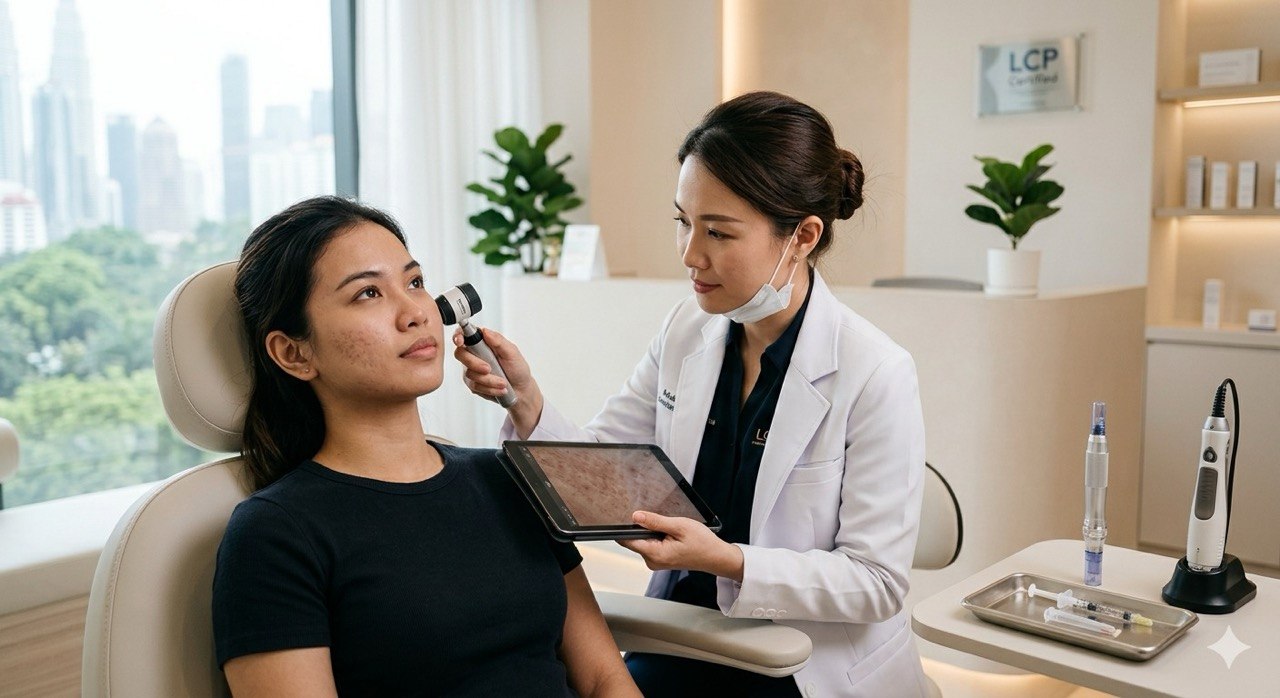
The doctor examines your skin in person, classifies the acne type (comedonal, inflammatory, cystic, hormonal, or mixed), evaluates severity, checks for early scarring, and asks about medical history, current medication, skincare routine, and lifestyle factors. This assessment determines the treatment plan.
Step 2 — Personalised treatment plan
Based on the assessment, the doctor builds a plan that combines the right modalities for your acne type. This may include prescription medication (oral, topical, or both), scheduled clinical procedures (peels, extraction, acne shots), and a recommended skincare routine. The plan includes a realistic timeline and expected milestones.
Step 3 — Active treatment phase
During the active phase — typically 8 to 16 weeks — you attend regular follow-up visits every 2 to 4 weeks. At each visit, the doctor reviews your skin, adjusts the medication if needed, and performs scheduled procedures. This phase aims to significantly reduce active lesions, inflammation, and comedonal load.
Step 4 — Maintenance and long-term management
Once acne is controlled, the doctor transitions you to a maintenance regimen. This may include a simplified topical prescription, periodic peels, and a tailored skincare routine designed to prevent relapse. Maintenance visits are spaced further apart — typically every 4 to 8 weeks — and adjusted based on your skin’s stability.
Who should consider medical acne treatment?
Medical acne treatment is appropriate for anyone whose acne is persistent, moderate to severe, leaving scars or dark marks, or has not responded to over-the-counter products. Early medical treatment is especially important for teenagers and young adults to prevent permanent scarring.
You should consider seeing a doctor for your acne if any of the following apply:
- Your acne has persisted for more than 3 months despite consistent skincare
- You have deep, painful, or cystic lesions
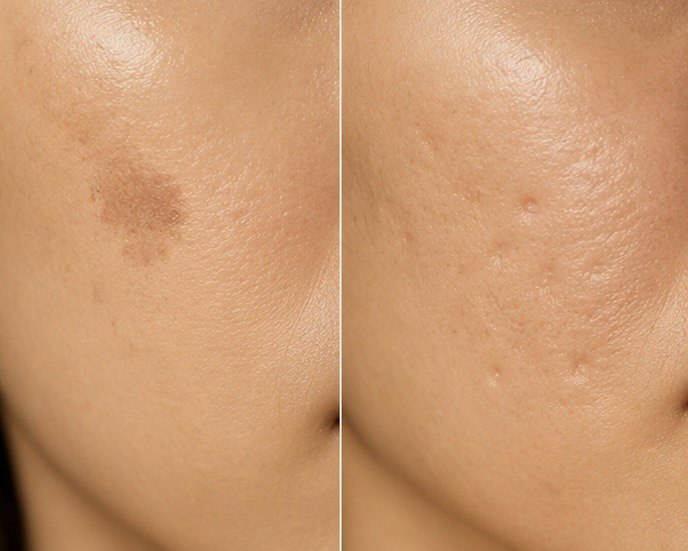
- Your acne is leaving dark marks (post-inflammatory hyperpigmentation) or scars
- Over-the-counter products have not produced meaningful improvement
- Your acne flares with your menstrual cycle or hormonal changes
- You are a teenager with worsening acne and are concerned about scarring
- Previous treatments (including salon facials or short courses of antibiotics) have not provided lasting results
Early intervention is one of the most important factors in acne outcomes. The longer acne remains active and untreated, the greater the risk of permanent scarring — which requires more intensive and costly treatment to address.
What results can I realistically expect from acne treatment?
Most patients see visible improvement in acne severity within 6 to 12 weeks of consistent treatment. Full clearance or near-clearance is achievable for many patients, but results depend on acne type, severity, hormonal factors, medication compliance, and skincare consistency. Individual results vary.
Realistic expectations are an important part of the Klinik Dr Diana approach. During your consultation, the doctor will discuss:
- The likely timeline for your specific acne type and severity
- Whether your acne is likely to require short-term treatment or long-term management
- The possibility of initial purging with certain medications (particularly retinoids)
- The importance of completing the full treatment course — not just stopping when skin looks better
- What maintenance looks like after the active phase
Acne treatment is not instant. Patients who commit to the full programme and attend regular follow-ups consistently achieve more sustained results than those who seek one-time solutions.
Results vary depending on skin type, acne severity, and treatment compliance. Individual assessment is required.
Possible side effects
Side effects depend on the treatment modality used. Prescription medications may cause initial dryness, mild peeling, or purging — these are expected and managed by adjusting dosage. Chemical peels may cause temporary redness, mild stinging, and light flaking for 2 to 5 days. Medical facials may cause temporary redness for a few hours. Acne shots (intralesional injection) may cause mild bruising or temporary skin depression at the injection site. LED therapy and fractional pico laser have minimal side effects — mild redness typically resolves within hours to a day.
Individual results vary depending on acne type, severity, hormonal factors, skincare compliance, and treatment consistency. Acne is a chronic, recurring condition — long-term management and maintenance are often necessary. Complete clearance cannot be guaranteed. An in-person consultation is required to confirm suitability and set realistic expectations. This page is for general educational information and does not constitute medical advice.
Ready to get your acne properly assessed? Book a consultation at Bangi or Senawang.
WhatsApp UsFrequently asked questions
How long does acne treatment take to show results?
Most patients begin to see visible improvement within 6 to 12 weeks of consistent treatment. Some treatments — such as prescription retinoids — may cause temporary purging in the first 2 to 4 weeks before improvement becomes apparent. The timeline depends on acne type and severity, which is why a doctor-led assessment and realistic expectation-setting are important from the start.
Can acne be permanently cured?
Acne is a chronic condition that can be effectively managed and controlled, but a permanent cure is not always possible. Hormonal fluctuations, stress, diet, and environmental factors can trigger recurrence. The goal of treatment at Klinik Dr Diana is sustained clearance through an active treatment phase followed by a tailored maintenance plan — not a one-time fix.
What is the difference between clinic acne treatment and drugstore products?
Over-the-counter products typically contain lower concentrations of active ingredients and address surface-level concerns. Clinic-based treatment involves prescription-strength medication (oral antibiotics, retinoids, hormonal agents where indicated), clinical procedures such as chemical peels and acne shots, and ongoing doctor-supervised adjustment. This combination addresses the root causes of acne — excess sebum, bacterial overgrowth, inflammation, and hormonal triggers — rather than symptoms alone.
Is acne treatment safe for teenagers?
Yes. Acne treatment at Klinik Dr Diana is safe and appropriate for teenagers. The doctor selects age-appropriate treatments and avoids certain medications (such as some oral retinoids) until clinically indicated. Early treatment is important to prevent scarring. Parents are welcome to attend the consultation.
What is an acne shot and when is it used?
An acne shot is an intralesional injection of a small dose of corticosteroid directly into a large, painful, or cystic acne lesion. It reduces inflammation and swelling rapidly — often within 24 to 48 hours. Acne shots are not a standalone treatment but are used for targeted relief of severe individual lesions while the broader acne management plan takes effect.
Do I need laser for acne?
Laser is not a first-line acne treatment. Most active acne responds well to prescription medication, chemical peels, and medical facials. Fractional pico laser and LED blue light therapy are used selectively — for patients whose acne has not responded adequately to standard treatments, or to address residual post-inflammatory marks. The doctor will only recommend laser when clinically appropriate.
How much does acne treatment cost in Malaysia?
The cost depends on acne severity, the treatment modalities required, and the number of sessions in your plan. Because every patient's acne profile is different, pricing is confirmed after an in-person assessment. Please WhatsApp us for consultation booking at your preferred branch.
Which Klinik Dr Diana branches offer acne treatment?
Both Klinik Dr Diana branches — Bandar Baru Bangi (Selangor) and Senawang (Negeri Sembilan) — offer the full range of acne treatments under doctor supervision. The clinic serves patients from Kajang, Putrajaya, Cyberjaya, Seremban, Nilai, and surrounding areas.
Further reading