Why does pigmentation happen and why won’t it just fade?
Pigmentation happens when skin cells produce excess melanin in response to triggers such as sun exposure, hormonal changes, inflammation, or genetics, and it often doesn’t fade on its own because most over-the-counter products only act on the surface of the skin, not the underlying cause.
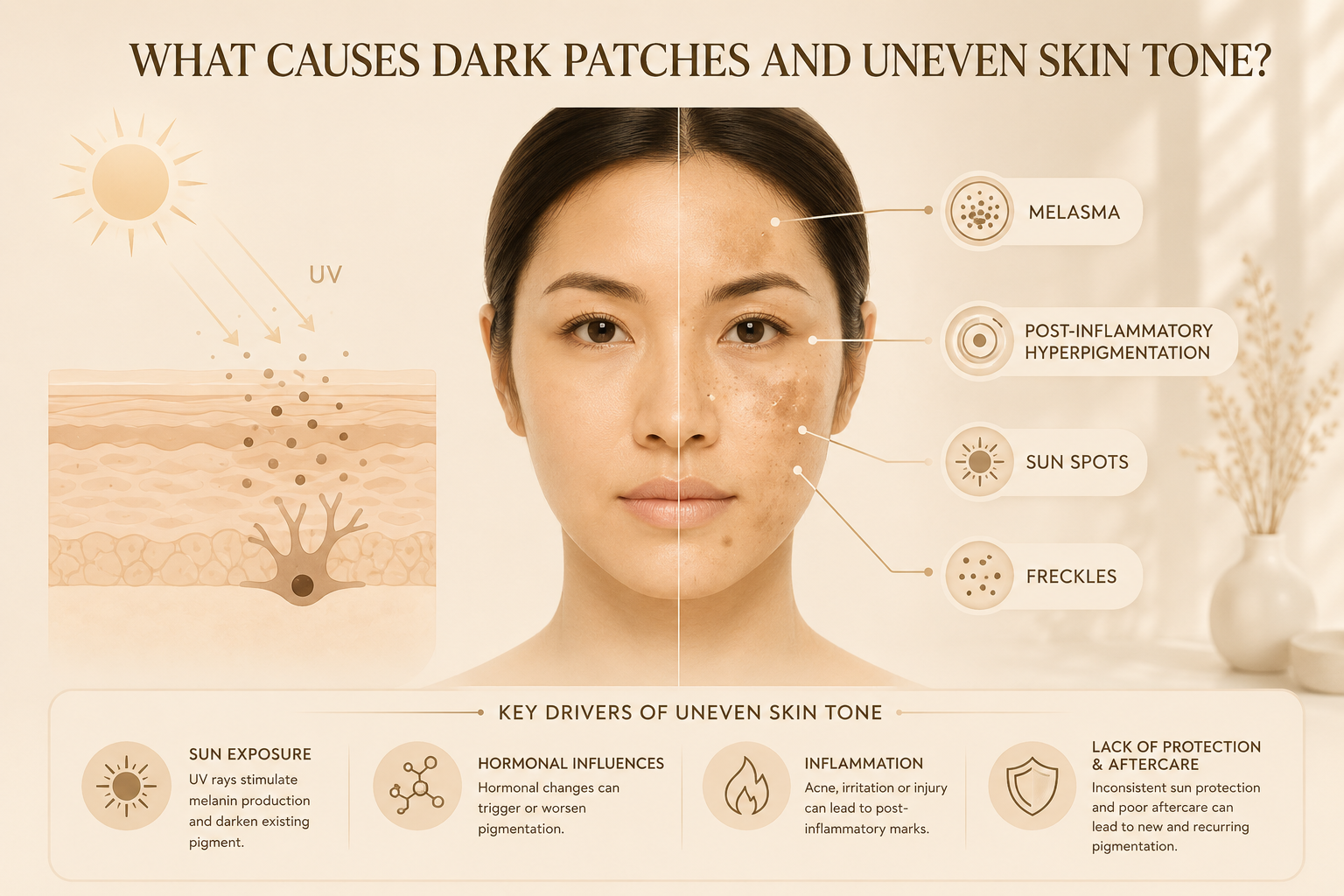
Sun exposure stimulates melanocytes — the pigment-producing cells — to produce more melanin as a protective response, which is why dark spots often appear or worsen after prolonged time in the sun. Hormonal changes from pregnancy, hormonal contraceptives, or thyroid conditions can trigger melasma, a type of pigmentation that tends to be more persistent. Inflammation from acne, eczema, or skin injury can leave behind post-inflammatory hyperpigmentation (PIH) once the original issue has healed. Genetics also play a role in conditions such as freckles and Nevus of Ota, which often appear from a young age.
Because each of these causes produces pigmentation that looks different and sits at a different depth in the skin, identifying the type of pigmentation is the first step before deciding on treatment. For a closer look at what causes dark patches and uneven skin tone, see our guide on what causes dark patches and uneven skin tone.
Not sure what type of pigmentation you have? A doctor can assess it during consultation.
WhatsApp UsWhat are the different types of pigmentation?
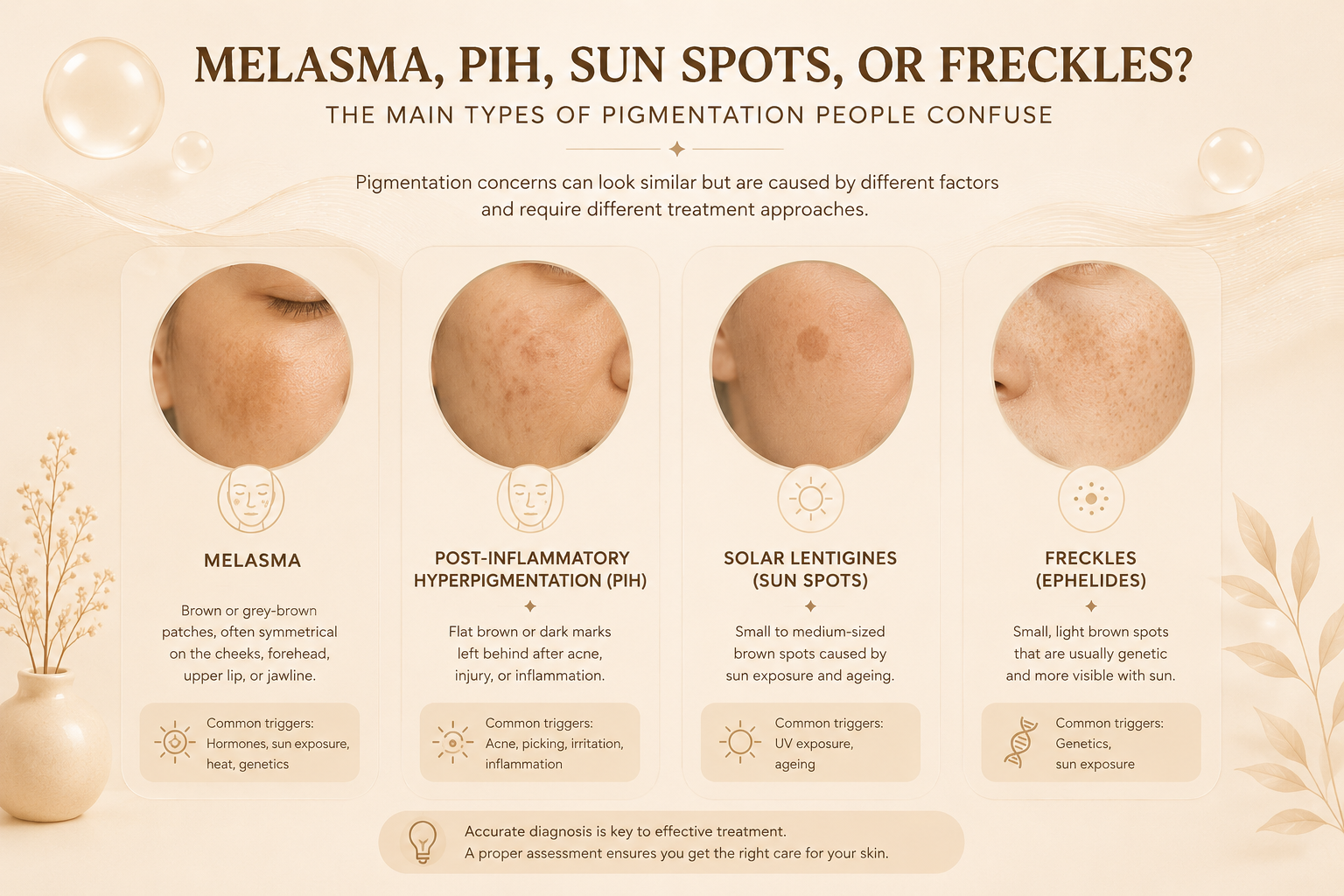
Pigmentation isn’t a single condition. Melasma, post-inflammatory hyperpigmentation (PIH), freckles, lentigines, and Nevus of Ota all look different, sit at different depths in the skin, and respond differently to treatment.
Melasma
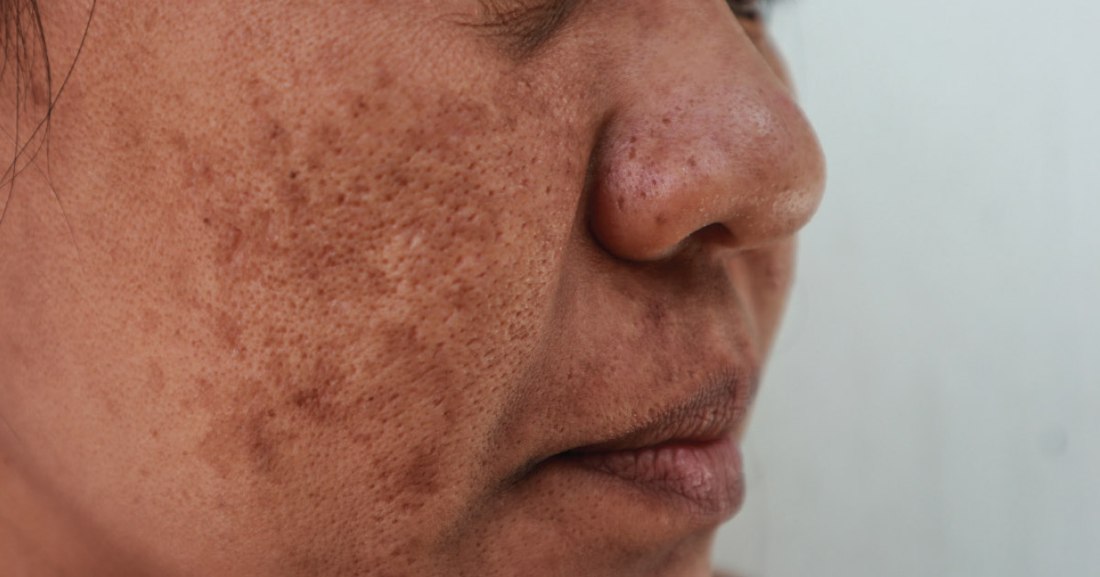
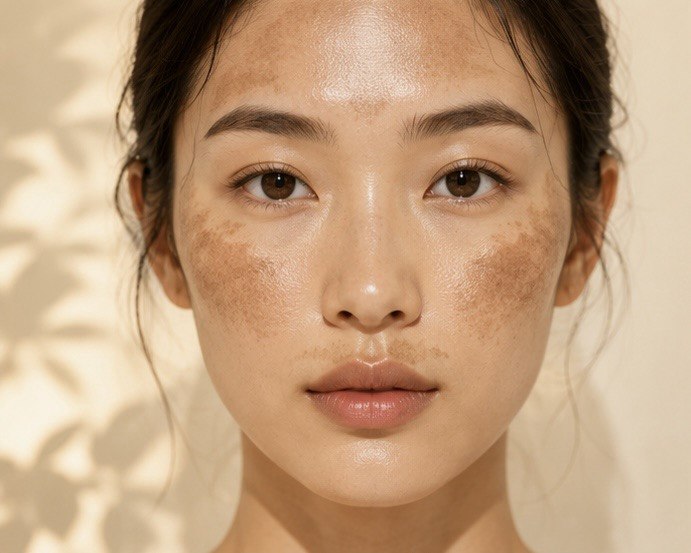
Melasma appears as symmetrical brown or greyish-brown patches, usually across the cheeks, forehead, nose, or upper lip, and is often triggered or worsened by sun exposure, hormonal changes, and heat. It tends to be more stubborn than other types of pigmentation because it can sit deeper in the skin and reacts strongly to UV exposure, so consistent sun protection is part of any treatment plan for melasma. Read more on what melasma is and how to tell it apart.
Post-Inflammatory Hyperpigmentation (PIH / Post-Acne Marks)
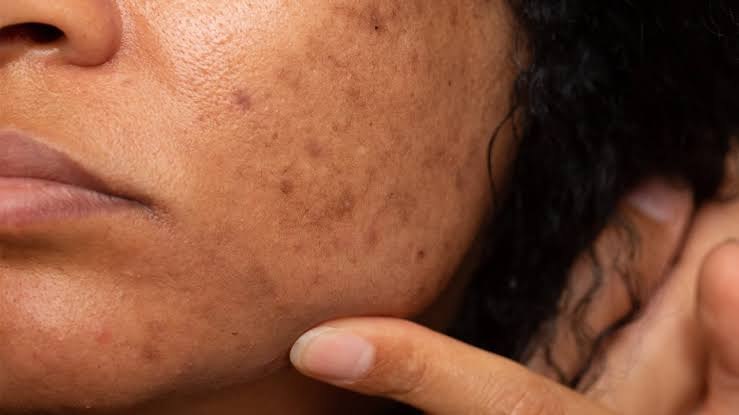
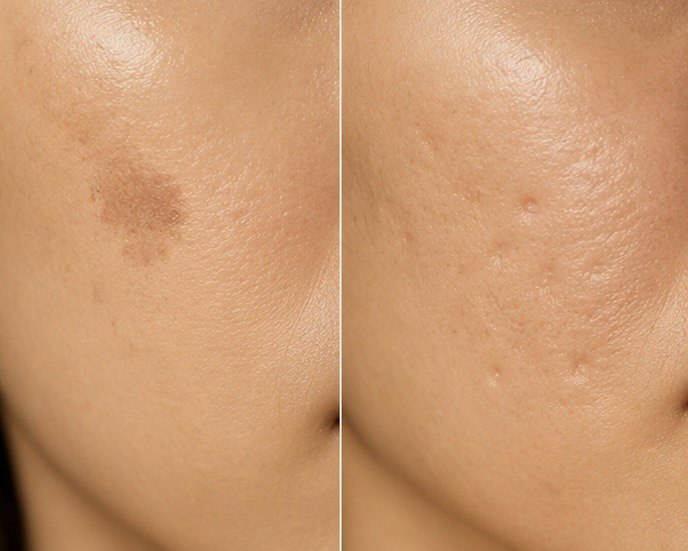
PIH refers to flat, dark marks left behind after acne, eczema, or other skin inflammation has healed, and is especially common in oily or acne-prone skin. PIH itself isn’t active acne — it’s the skin’s pigment response to past inflammation — and it generally responds well to a combination of topical treatment and in-clinic procedures over time. Read more on what PIH is and how it differs from acne scars.
Freckles (Ephelides)
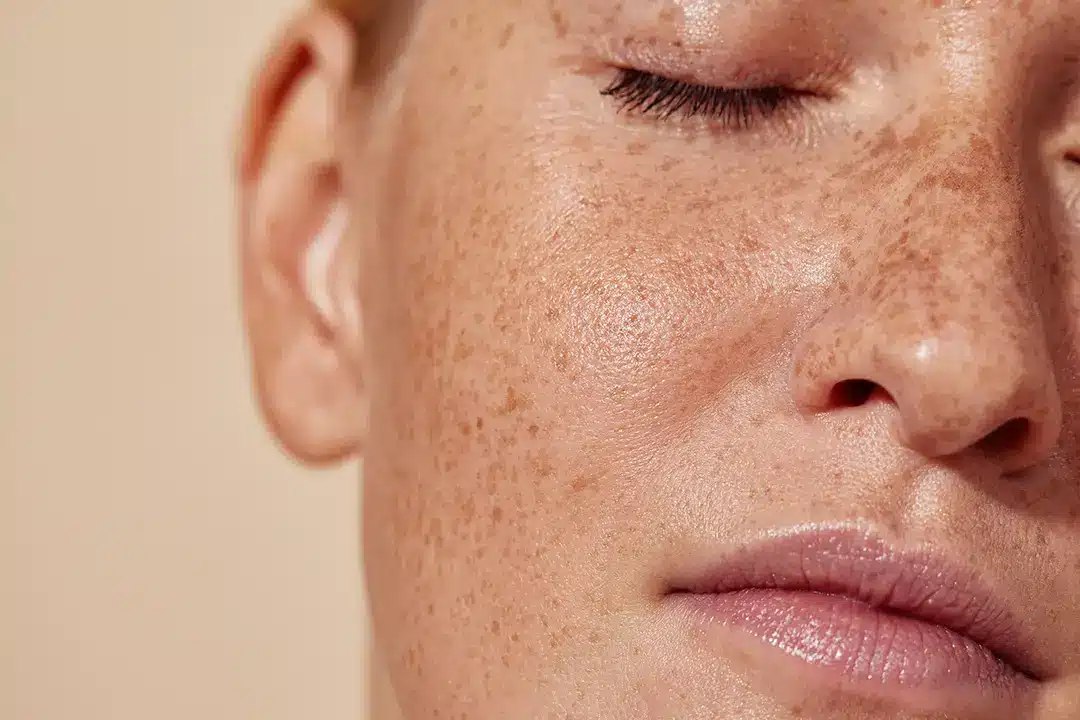
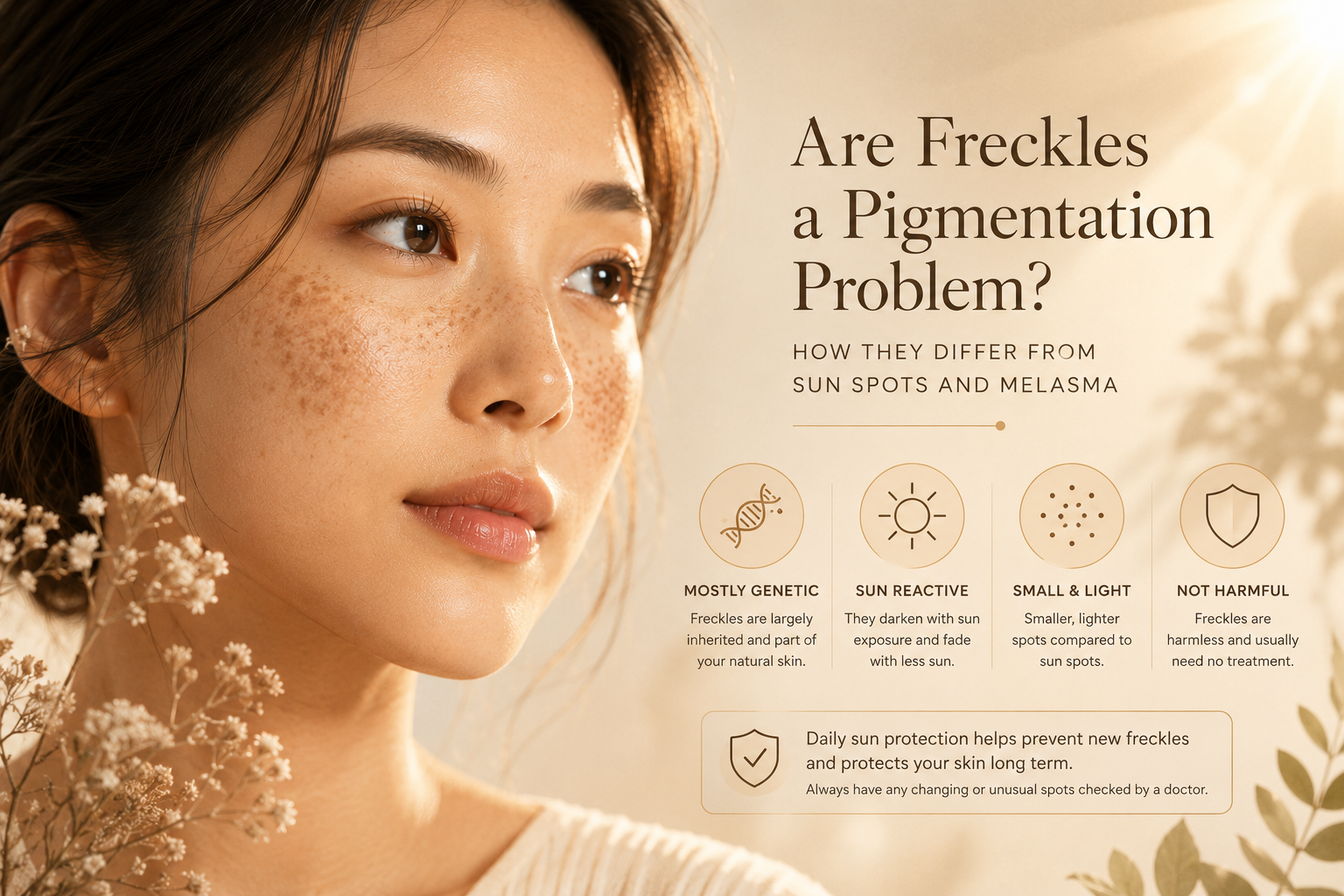
Freckles are small, light-to-medium brown spots that typically appear on the cheeks and nose, are largely genetic, and become more visible with sun exposure. Because freckles sit in the outer layer of skin (the epidermis), they tend to respond well to exfoliation-based and laser treatments. Read more on whether freckles are a pigmentation problem.
Lentigines (Sun Spots / Age Spots)
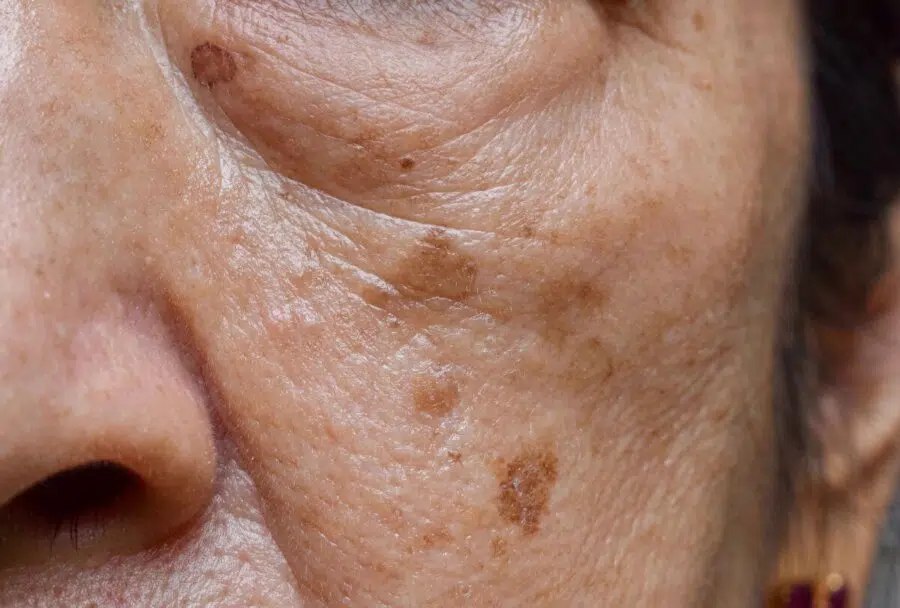
Lentigines are flat brown spots that develop from years of cumulative sun exposure, commonly appearing on the cheeks, nose, and other frequently sun-exposed areas from the late twenties onward. They are well-defined and sit in the upper layers of skin, which is why they are often one of the more visibly responsive types of pigmentation to laser treatment. Read more on what sun spots are and how to tell them apart.
Nevus of Ota
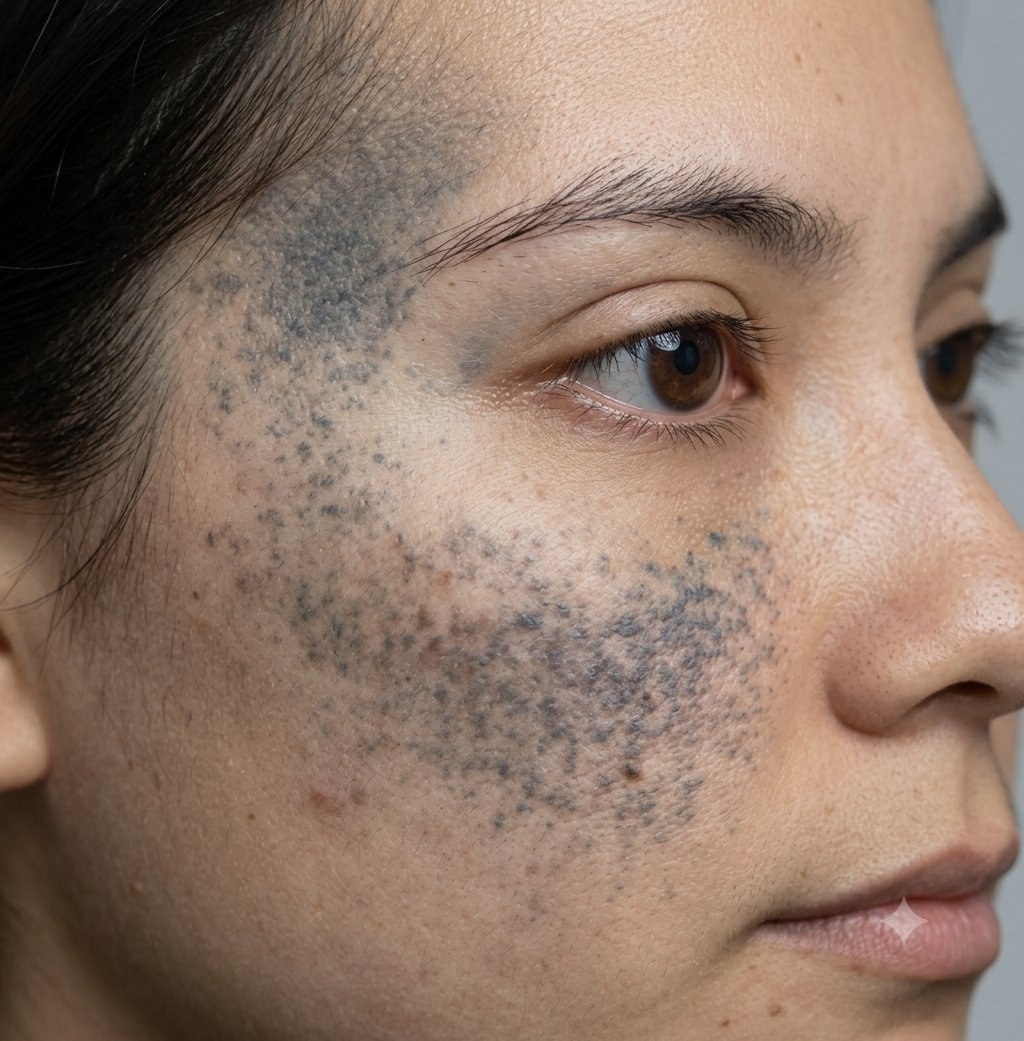
Nevus of Ota is a bluish-grey to brown patch of pigmentation that usually appears around the eye, temple, or cheekbone, caused by pigment cells sitting deeper in the skin (the dermis) rather than at the surface. Because the pigment sits deeper, Nevus of Ota typically requires more treatment sessions than surface-level pigmentation, and a doctor’s assessment is needed to confirm the diagnosis and plan an appropriate number of sessions.
Comparing melasma, PIH, sun spots, and freckles side by side?
Read the comparison guideWhat pigmentation treatments are available at Klinik Dr Diana?
Klinik Dr Diana offers a range of pigmentation treatments — from daily skincare and medication to in-clinic procedures such as skin booster injections, exfoliation treatments, and PICO laser. The right combination depends on the type, depth, and severity of pigmentation identified during consultation.
Daily Skincare & Sun Protection
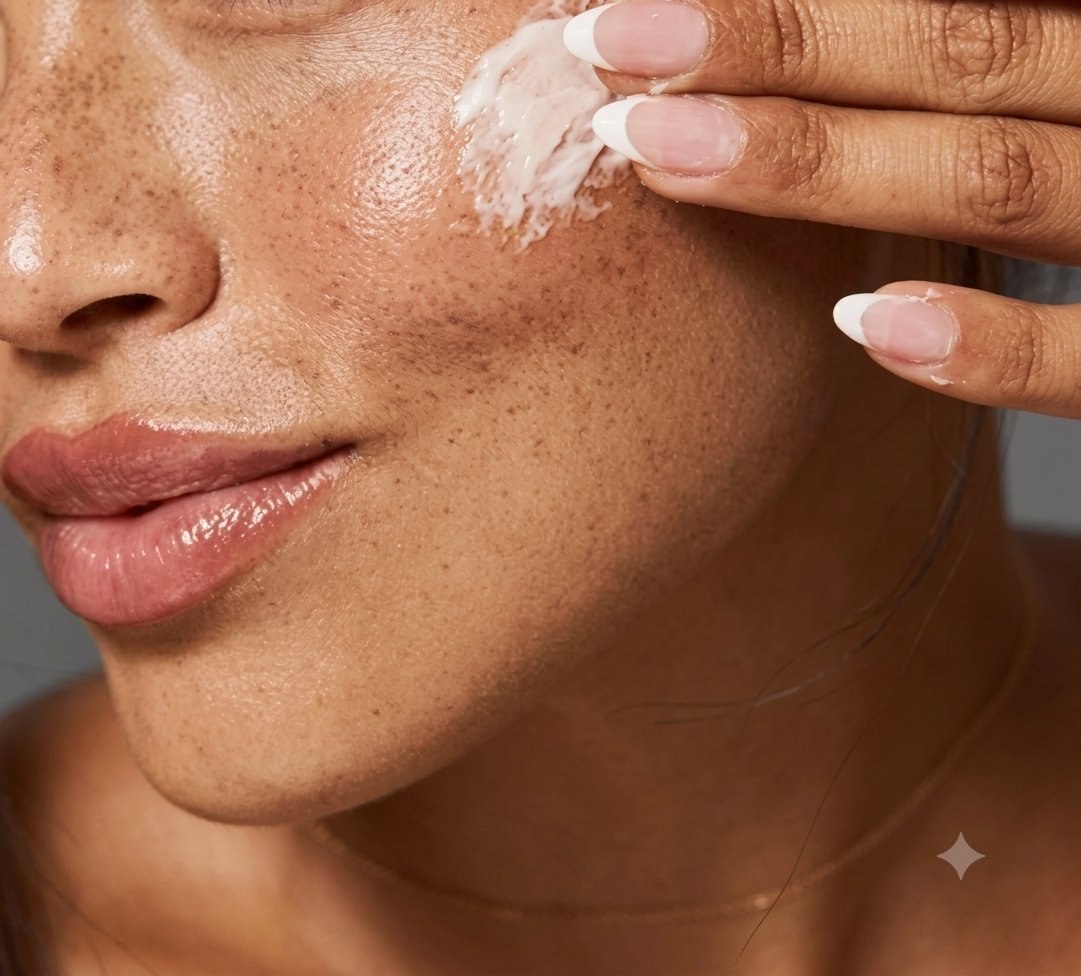
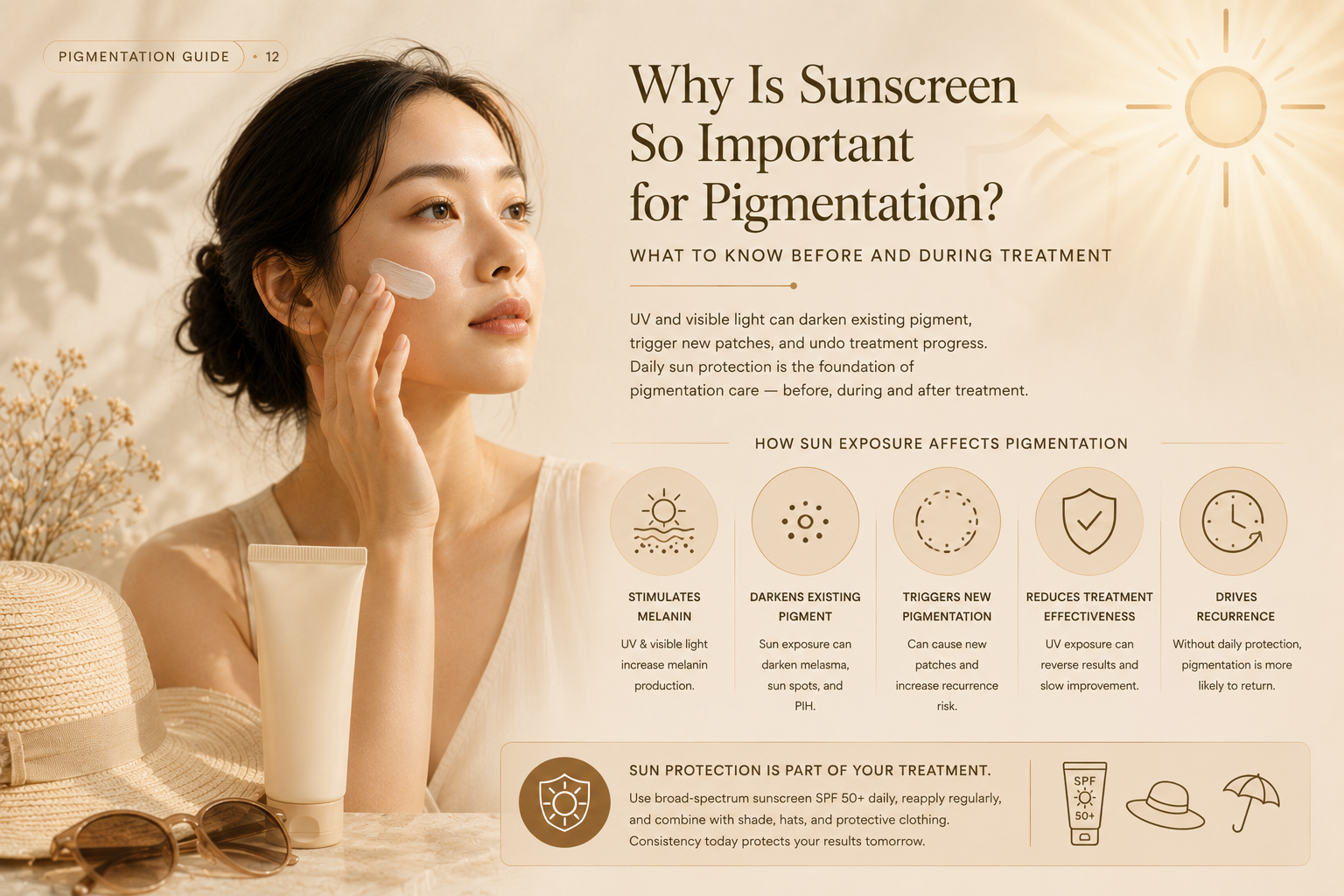
A consistent routine — gentle cleanser, moisturiser, daily sunscreen, and a doctor-recommended pigmentation cream — forms the foundation of any pigmentation treatment plan. Without consistent sun protection, progress from other treatments can be undone by ongoing UV exposure. Read more on why sunscreen matters for pigmentation.
Topical and Oral Medication
For certain types of pigmentation, doctors may prescribe topical creams or oral medication to help reduce pigment production. These require regular monitoring by the treating doctor to track effectiveness and manage any side effects.
Oral Supplements for Skin Brightening
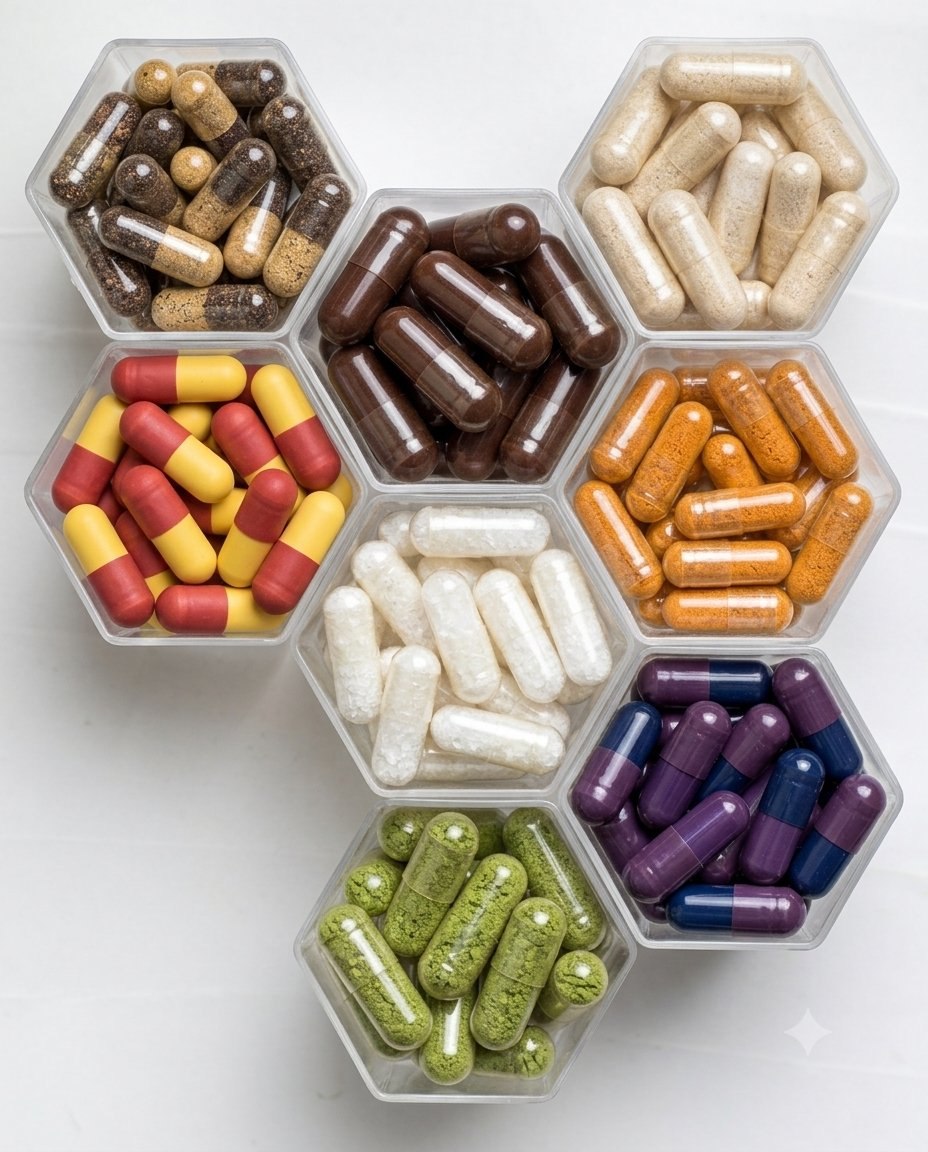
Oral supplements containing antioxidants and skin-brightening ingredients can support pigmentation treatment from within. These are typically used alongside — not in place of — topical or in-clinic treatments.
Skin Booster / Anti-Pigmentation Injections
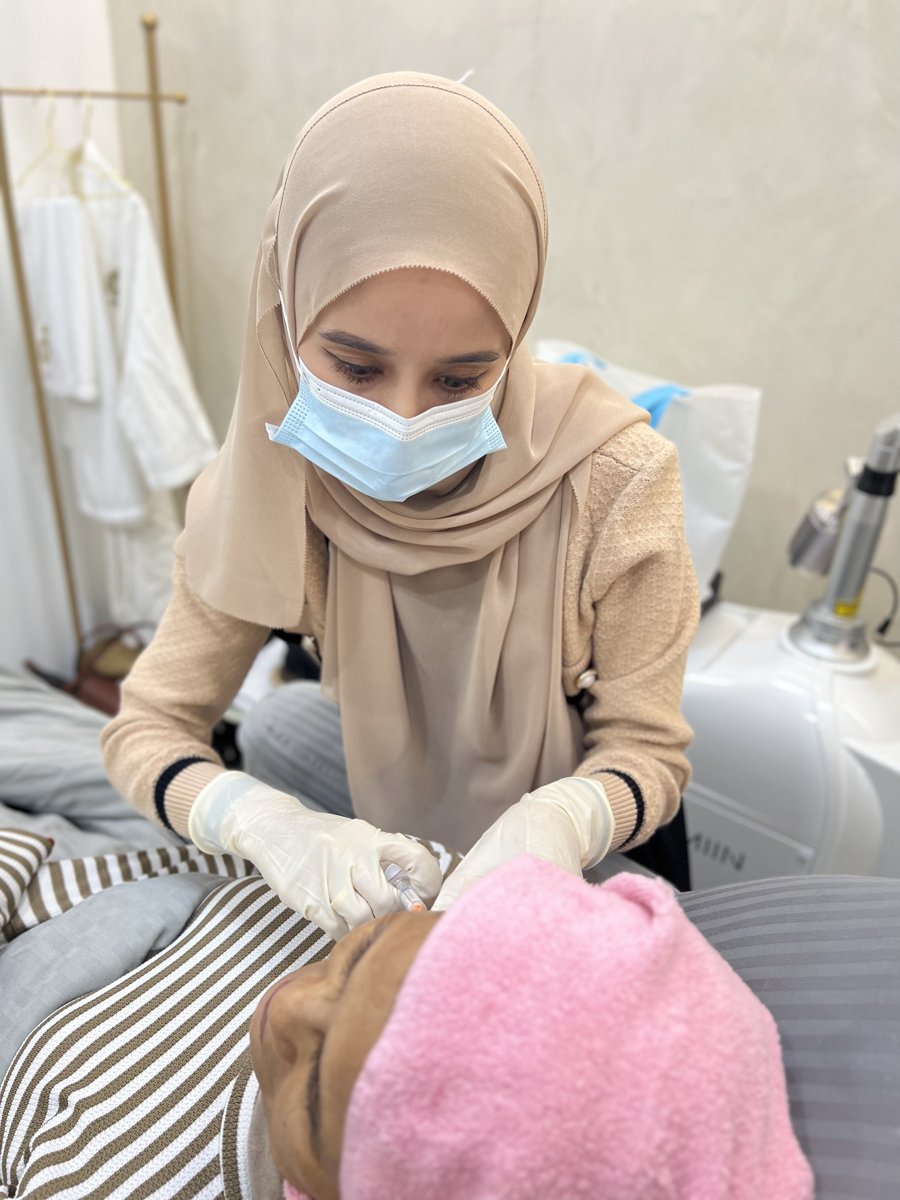
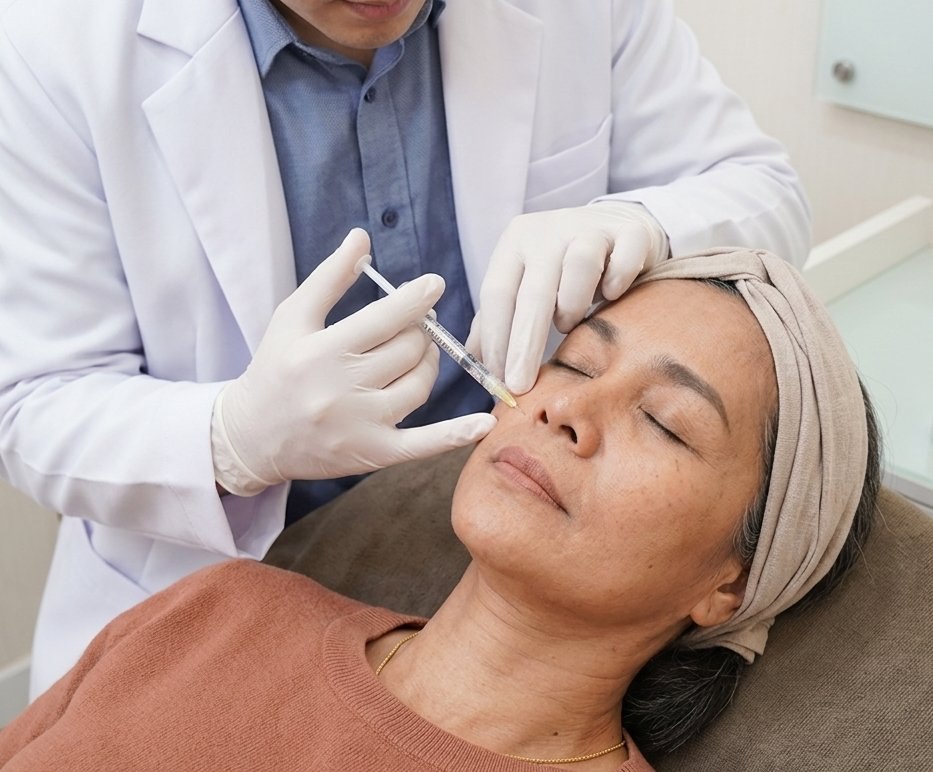
Skin booster injections deliver hydrating and skin-repairing ingredients directly into the skin, helping improve overall skin quality and resilience as part of a broader pigmentation treatment plan.
Exfoliation Treatments (Chemical Peel, Microneedling, Oxygeneo)
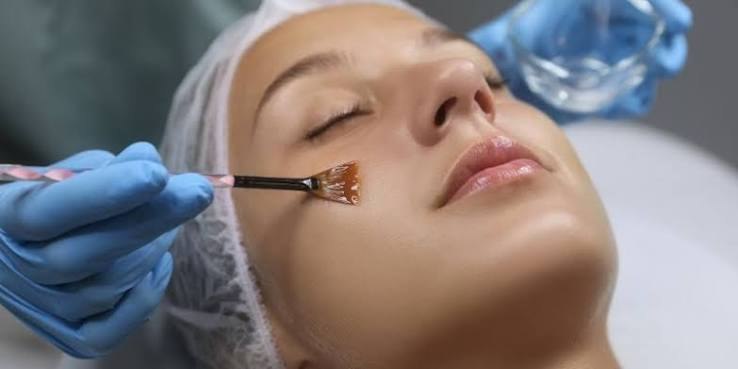
Exfoliation-based treatments encourage the outer, pigmented layers of skin to renew faster. Options such as chemical peels, microneedling, and Oxygeneo facials are particularly suited to surface-level pigmentation such as freckles and mild PIH. Klinik Dr Diana’s LHALA Peel and OxyGeneo Glam Facial are two gentle options often considered alongside a pigmentation plan.
PICO Laser Treatment
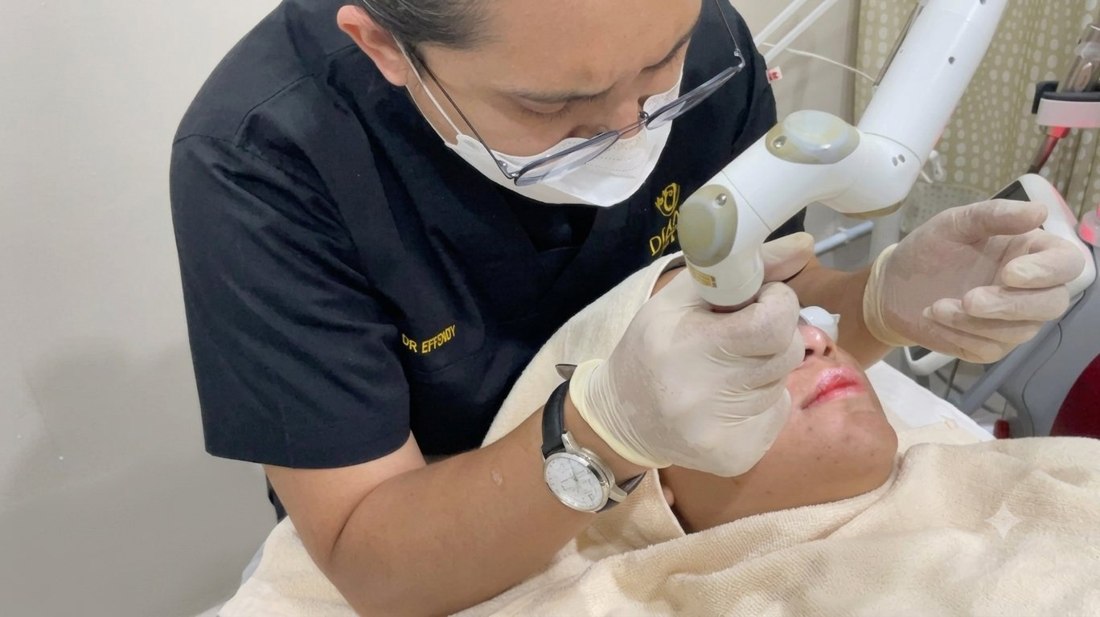
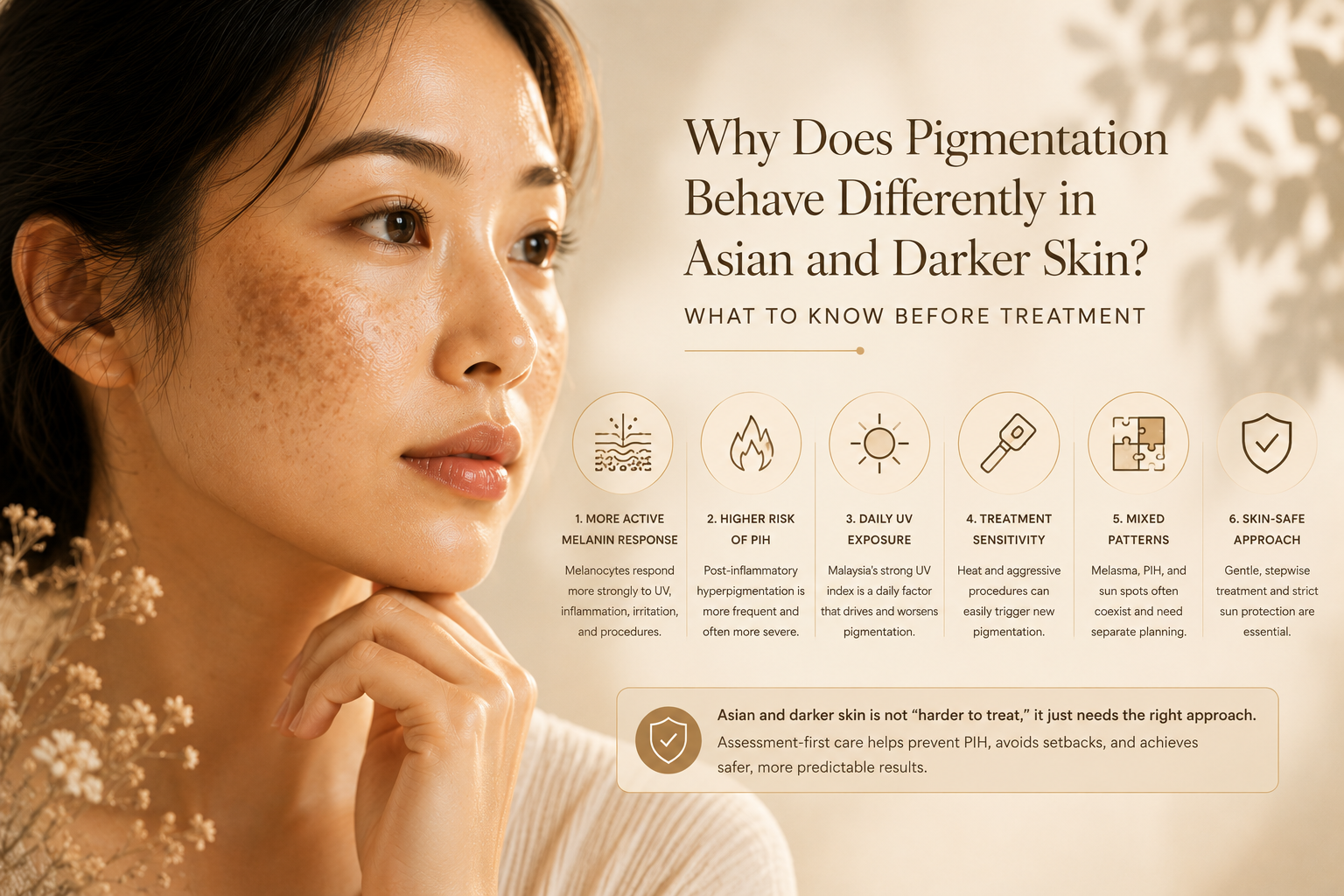
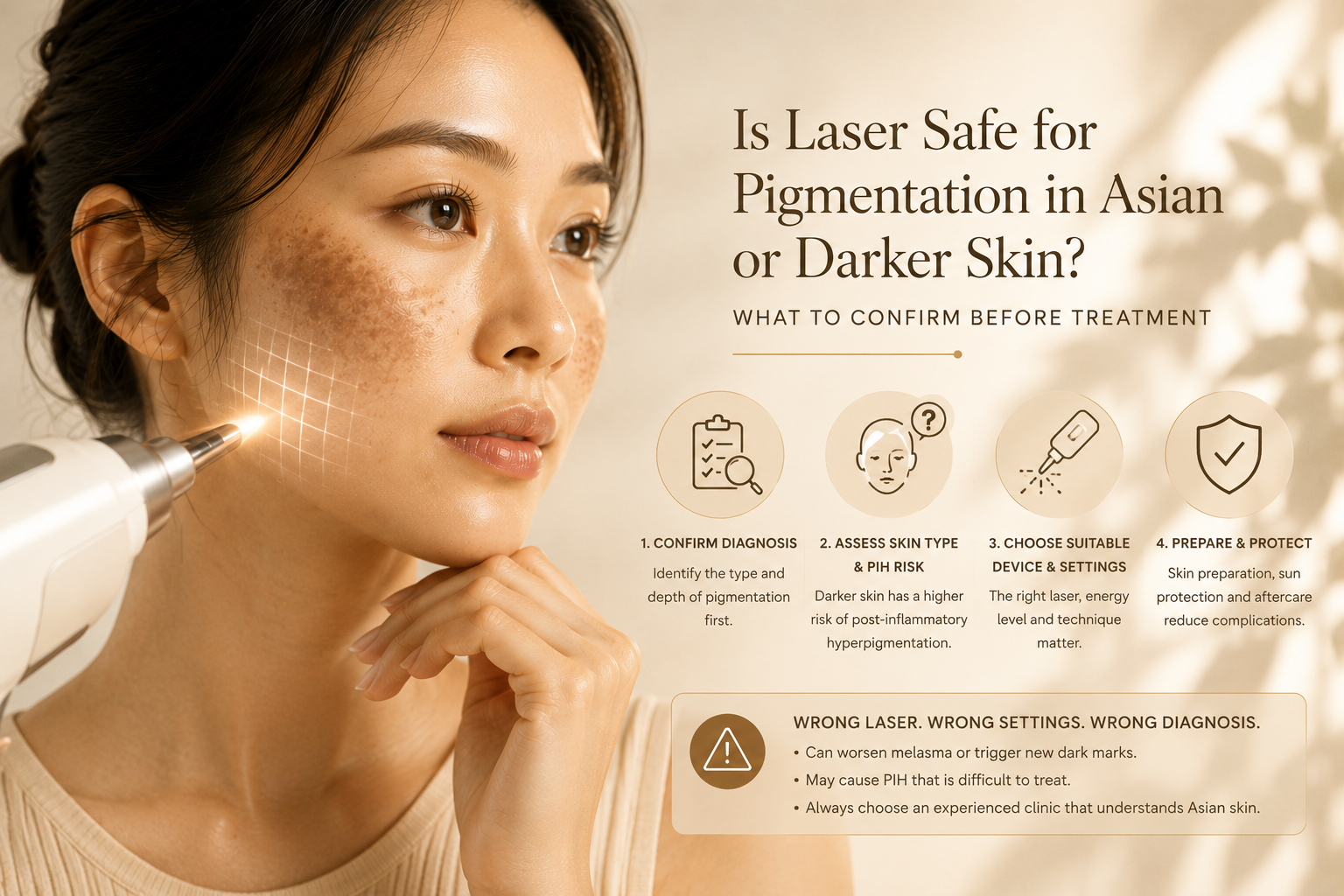
PICO laser uses ultra-short pulses of light to break down pigment particles into smaller fragments that the body clears naturally over time. It is commonly used for melasma, lentigines, freckles, PIH, and Nevus of Ota, though the number of sessions needed varies depending on the type and depth of pigmentation. For patients with Asian or darker skin tones, laser settings need to be chosen carefully — read more on whether laser is safe for pigmentation in Asian or darker skin.
What happens during a pigmentation consultation and treatment?
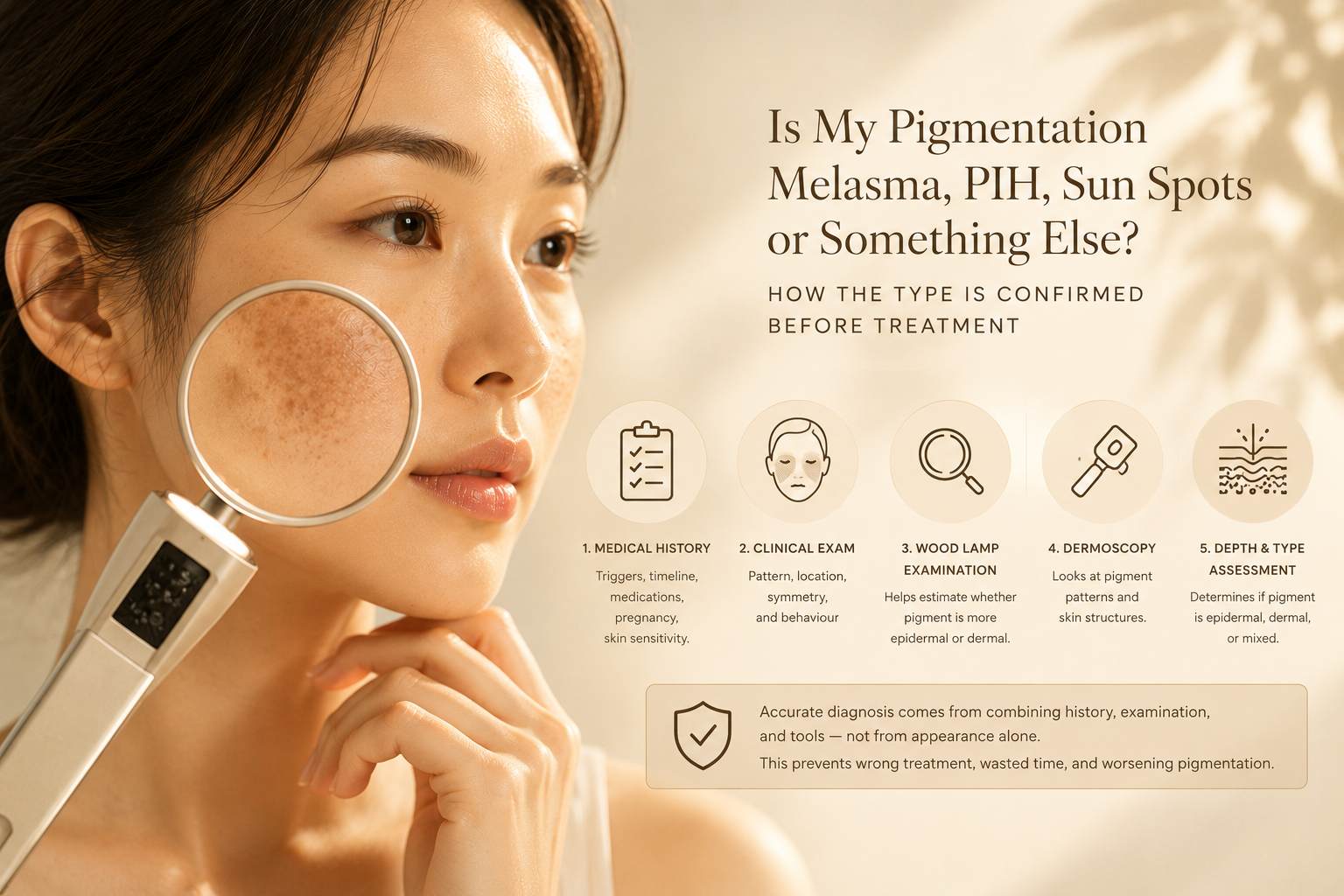
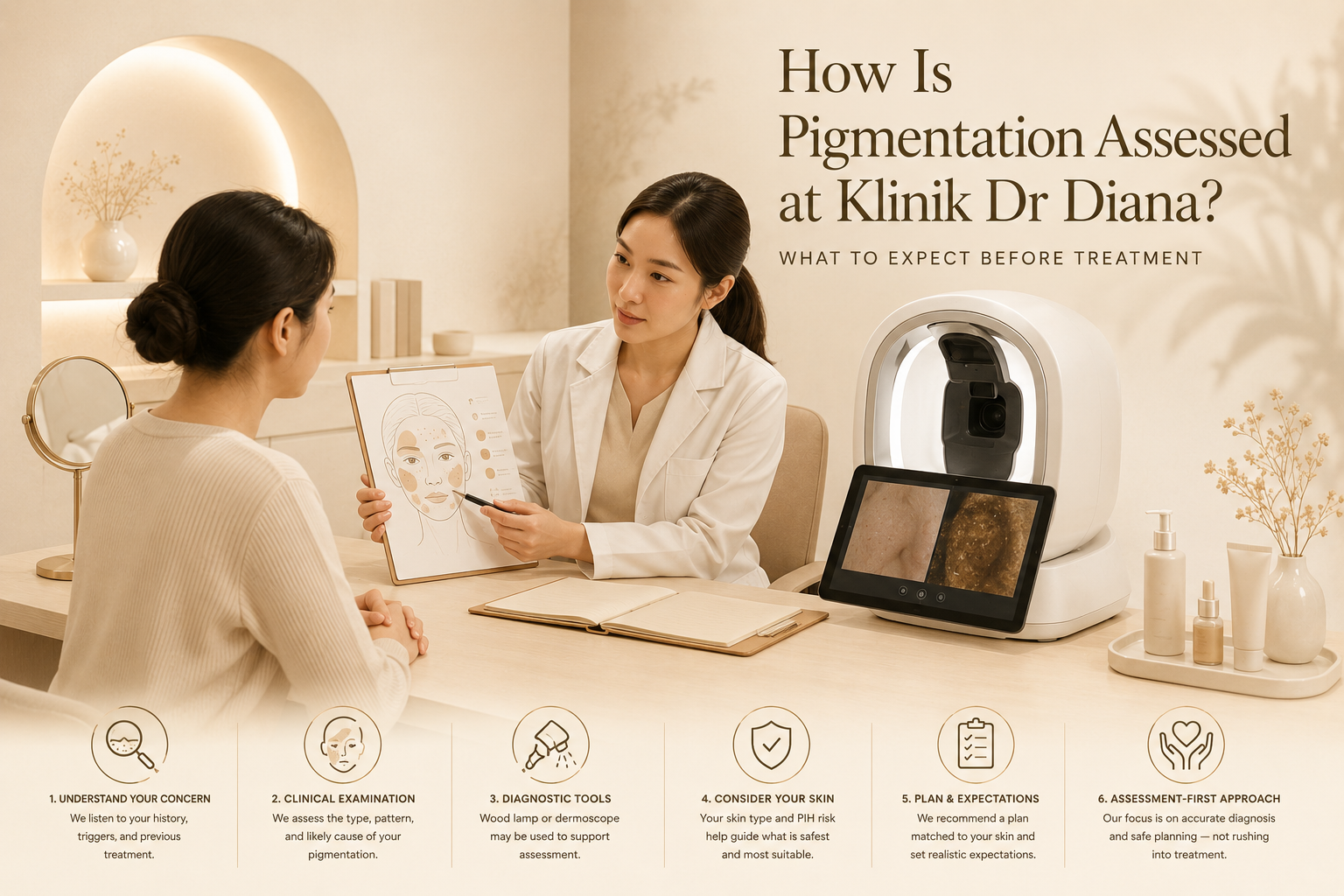
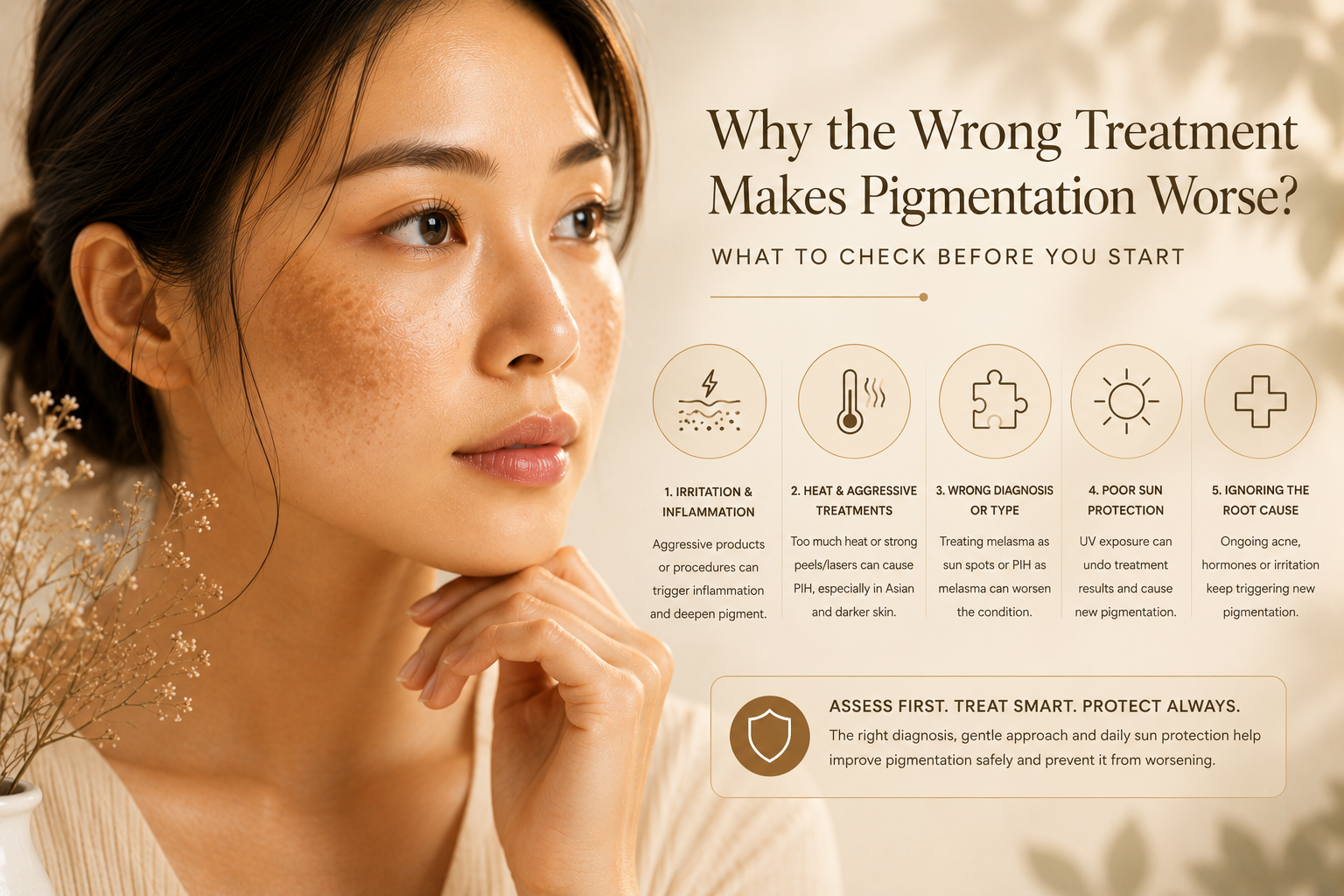
Every pigmentation treatment at Klinik Dr Diana begins with a doctor-led assessment to identify the type and underlying cause of pigmentation, because the same dark spot can require a completely different treatment depending on what’s actually causing it.
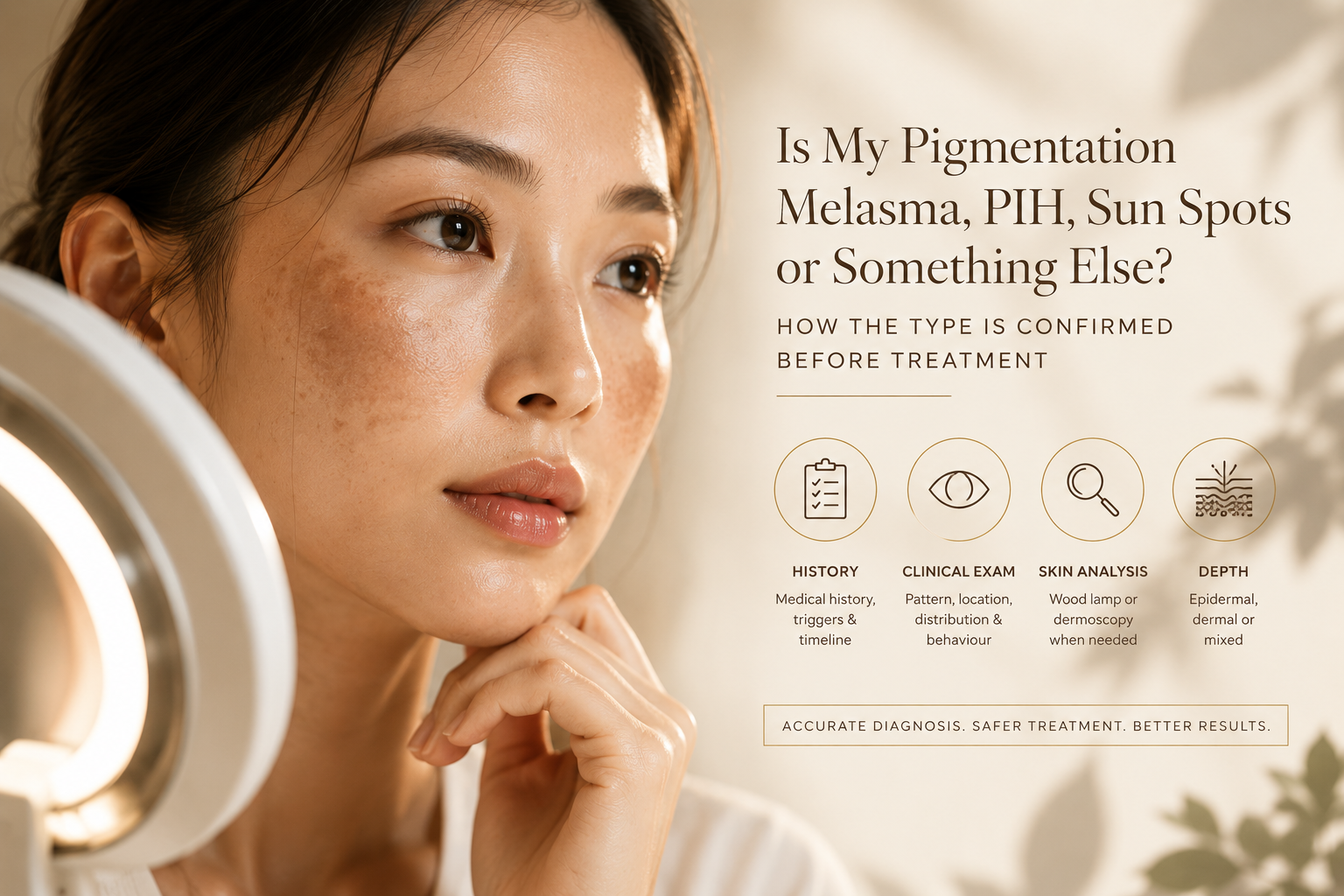
- Consultation & Skin Assessment — A doctor examines your skin, discusses your history (sun exposure, hormonal changes, skincare routine), and identifies the type(s) of pigmentation present. See how pigmentation is assessed at Klinik Dr Diana.
- Personalised Treatment Plan — Based on the assessment, the doctor recommends a combination of treatments suited to your skin type, pigmentation type, and goals.
- Treatment Session — Depending on the plan, this may involve in-clinic procedures such as PICO laser, skin boosters, or exfoliation treatments, alongside take-home skincare or supplements.
- Aftercare & Follow-Up — You’ll receive aftercare guidance, including sun protection advice, and a follow-up plan to monitor progress and adjust treatment if needed.
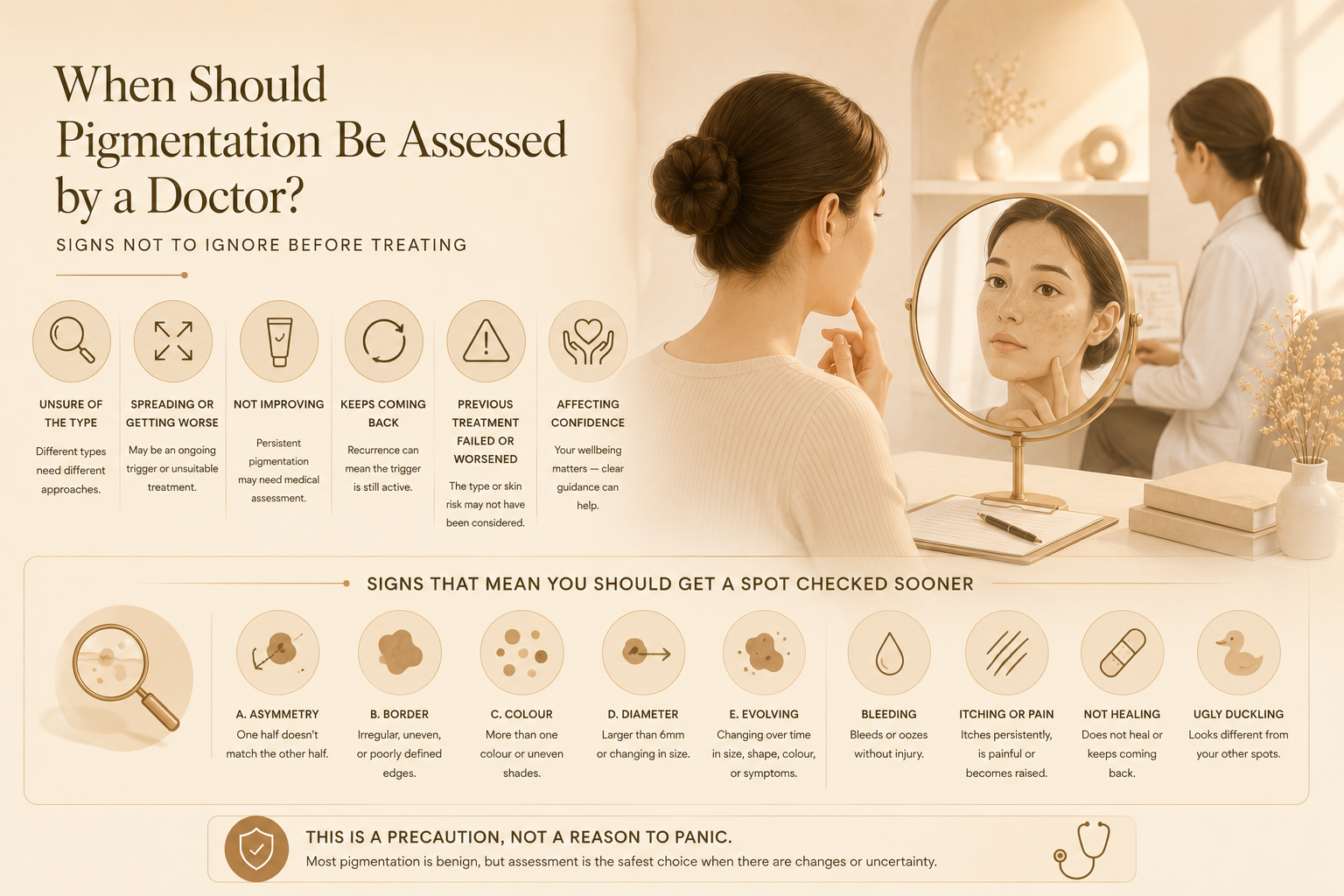
Not sure if your pigmentation needs a doctor’s opinion yet? See when pigmentation should be assessed by a doctor.
How long does it take to see results from pigmentation treatment?
Most patients begin to notice gradual improvement after a few sessions, though the exact timeline depends on the type of pigmentation, its depth, and how consistently sun protection and aftercare are followed.
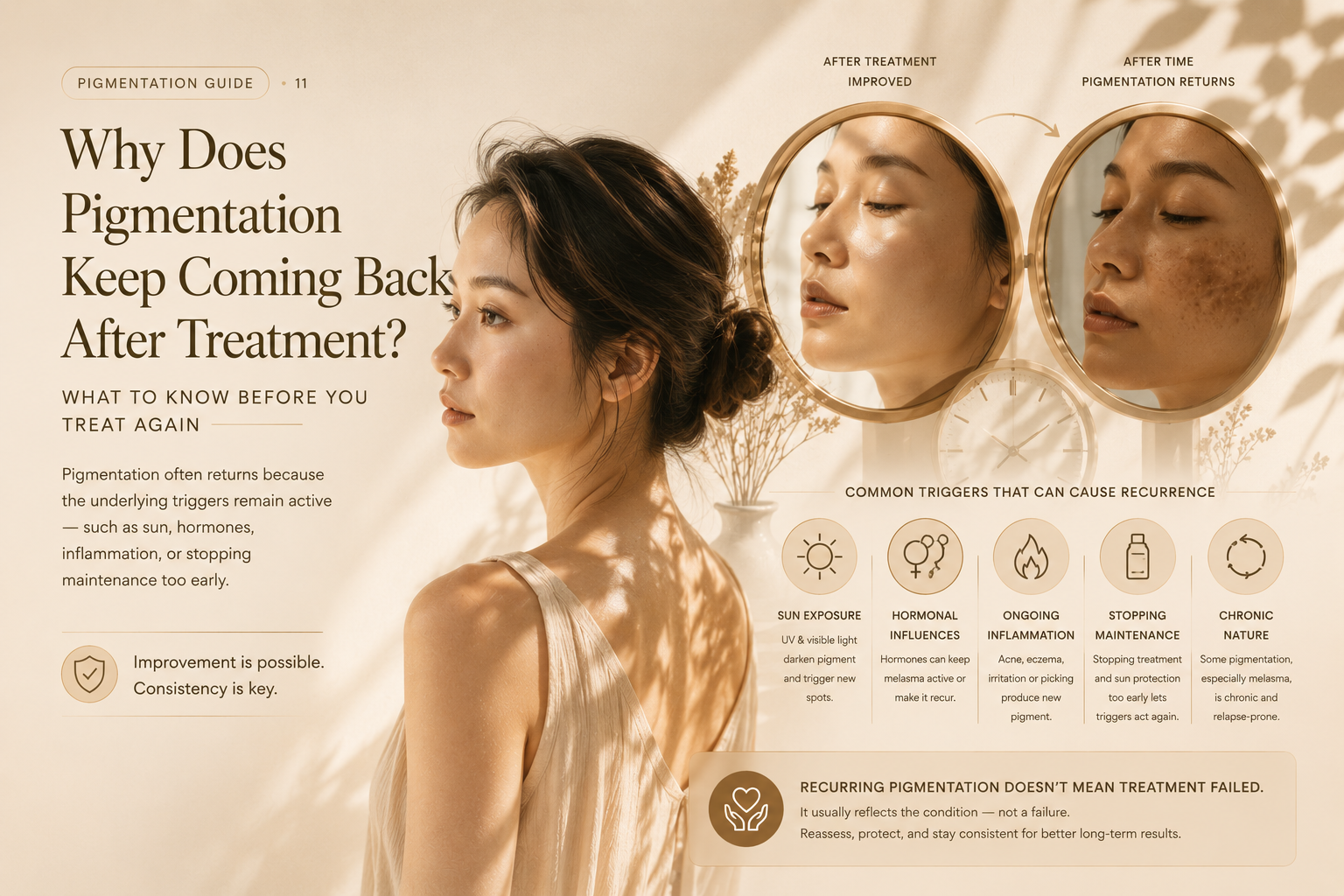
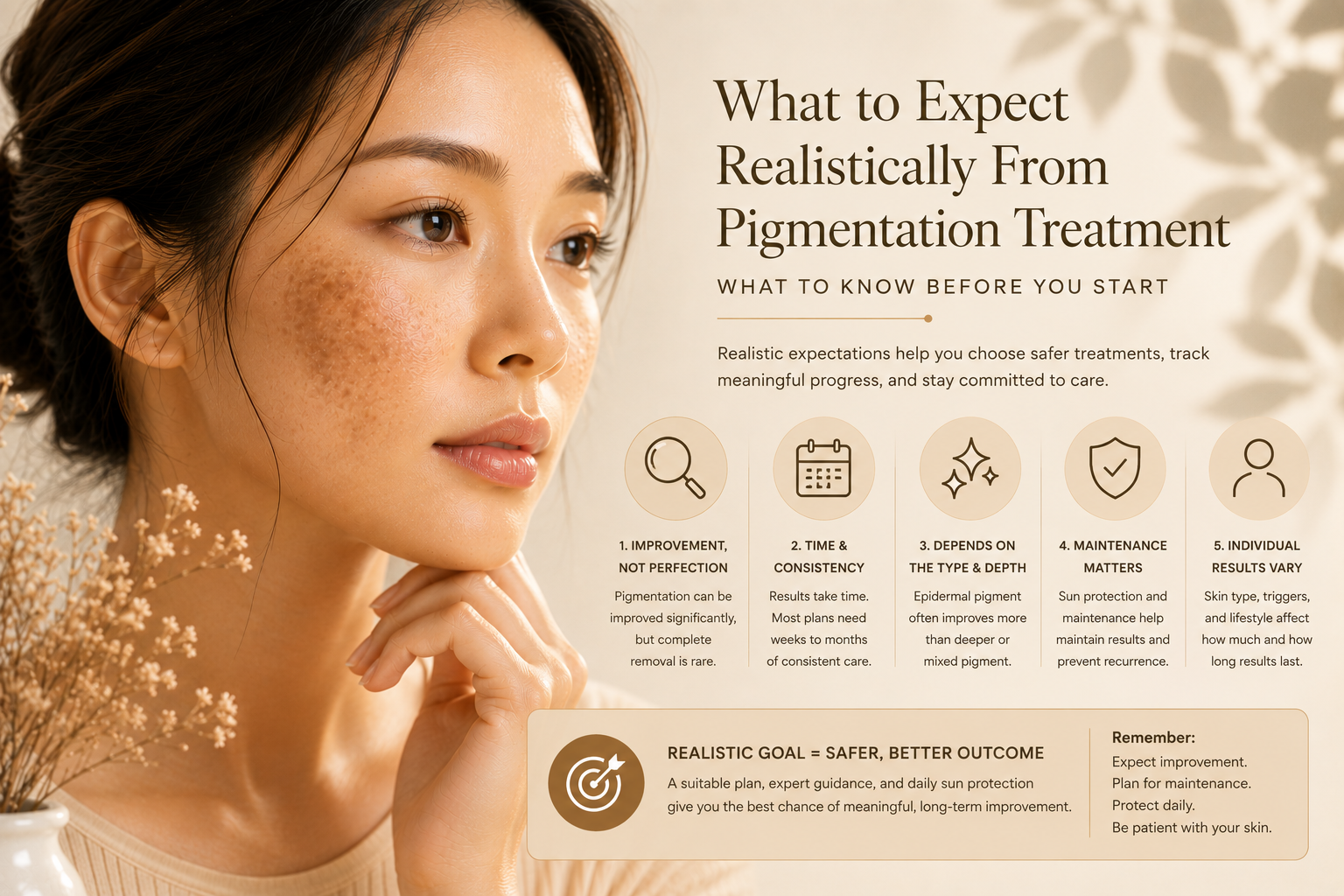
Surface-level pigmentation — such as freckles, mild PIH, and lentigines — often shows visible change earlier in the treatment course. Deeper pigmentation, such as melasma and Nevus of Ota, generally requires more sessions and ongoing maintenance, as these types are more sensitive to triggers like sun exposure and hormonal changes. For a realistic picture of what to expect, see what realistic results look like for pigmentation treatment and why pigmentation can come back after treatment.
Results vary depending on skin type, pigmentation type, and severity. An in-person assessment is required before any treatment plan can be confirmed.
Real results from pigmentation treatment at Klinik Dr Diana
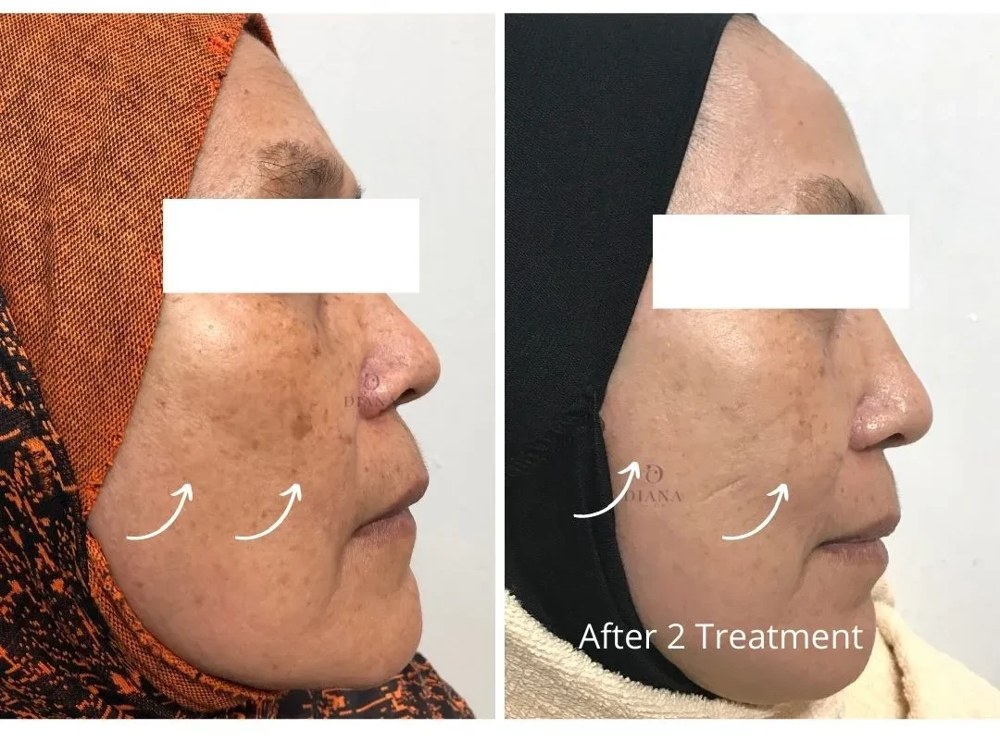
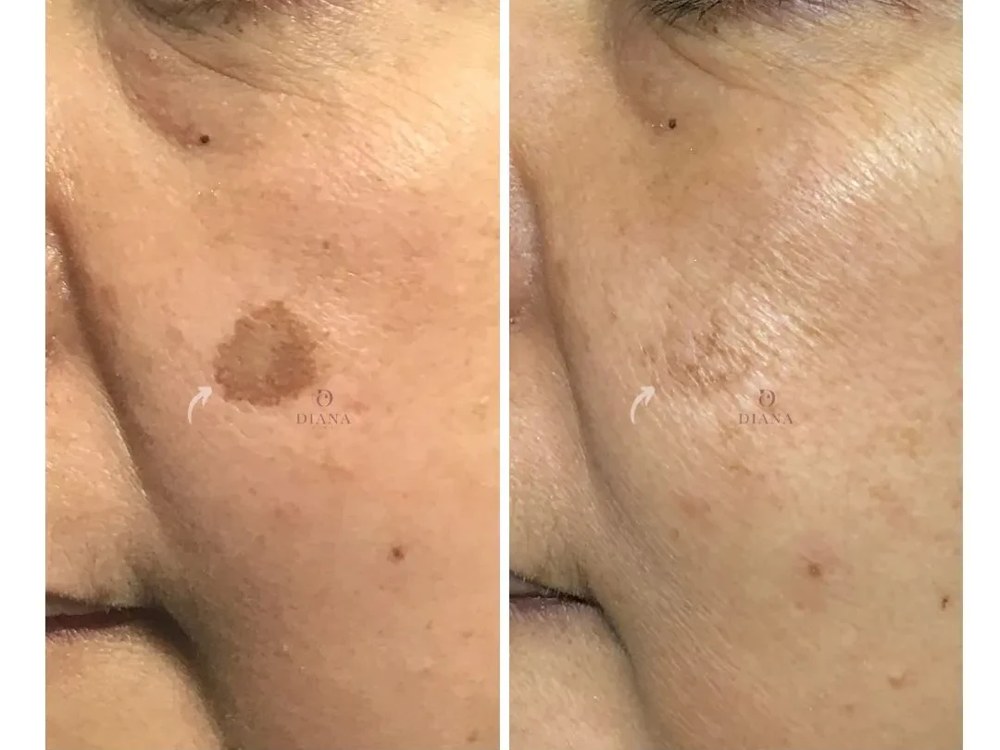
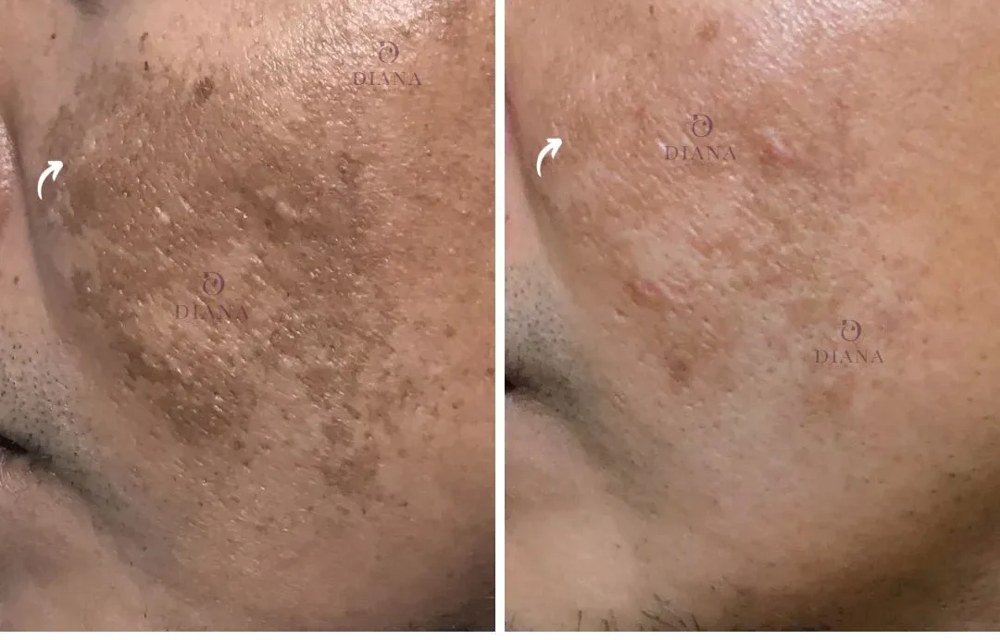
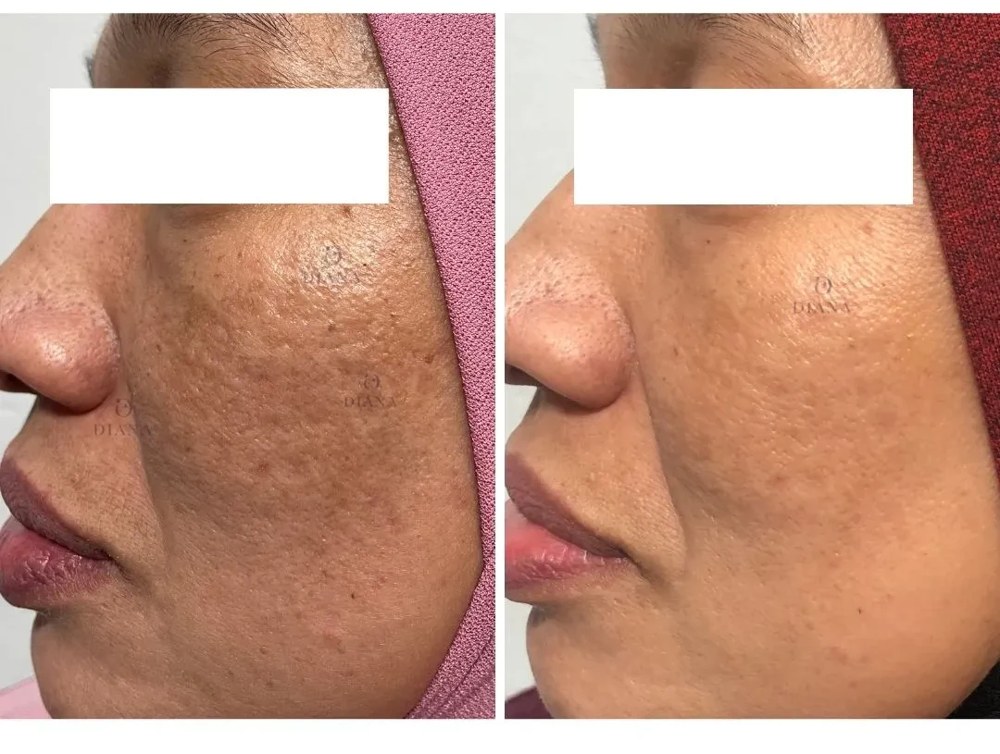
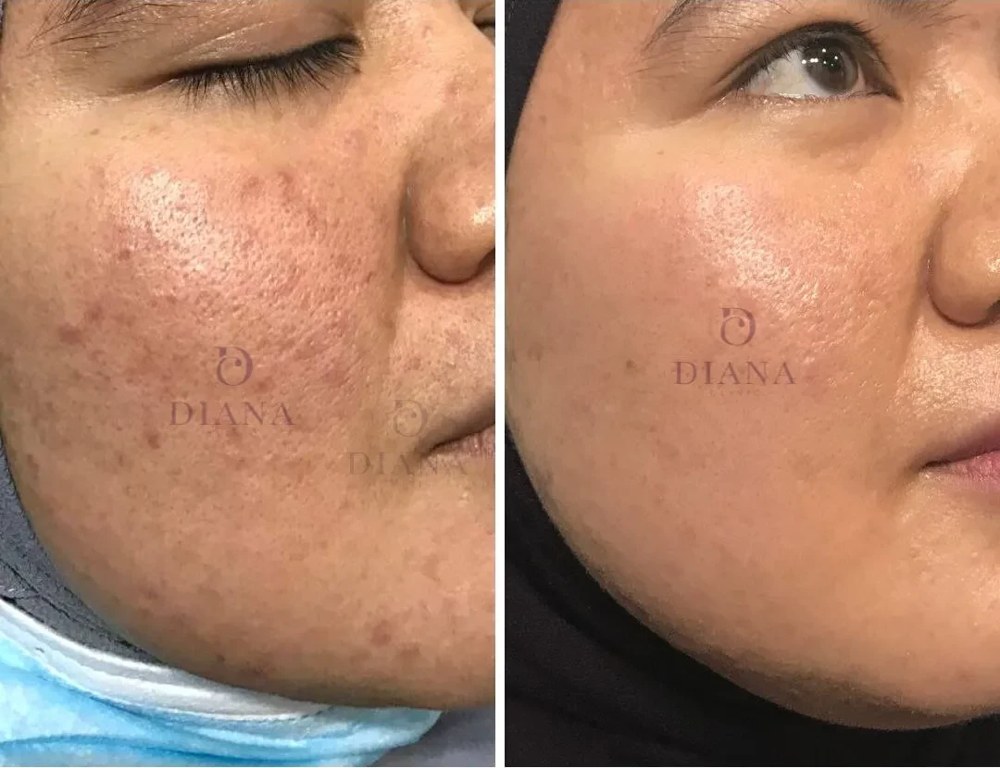
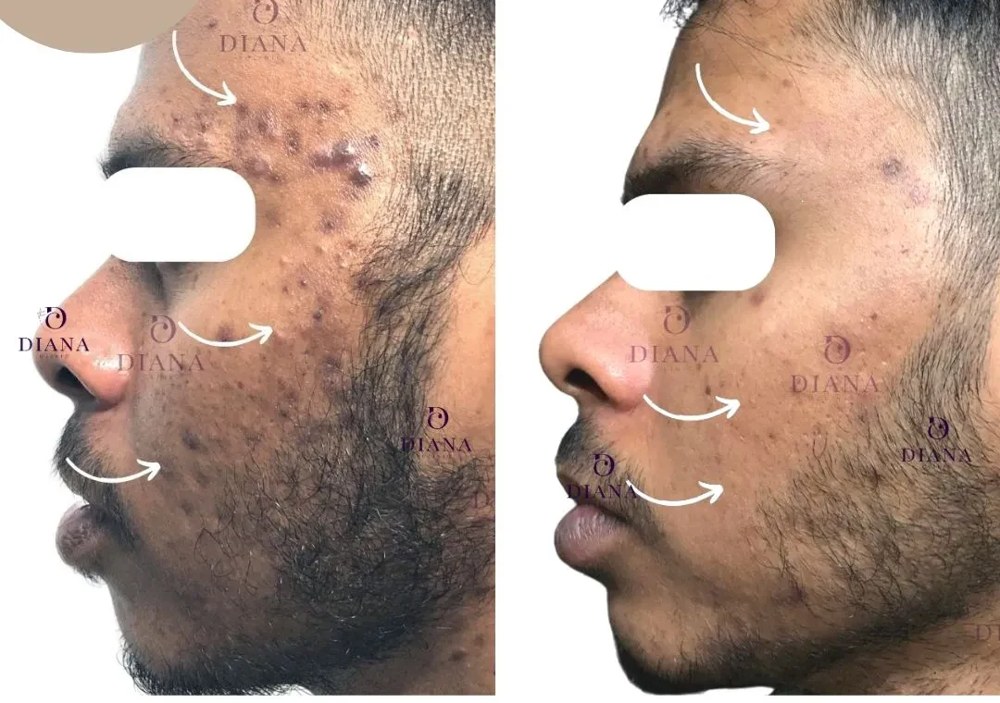
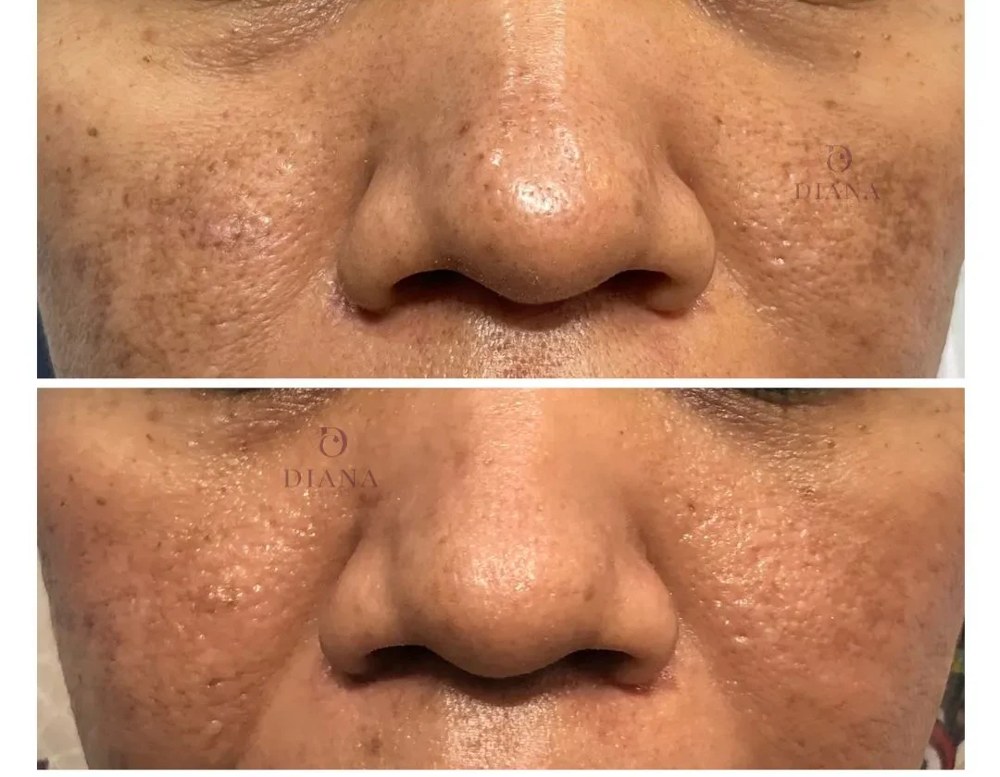
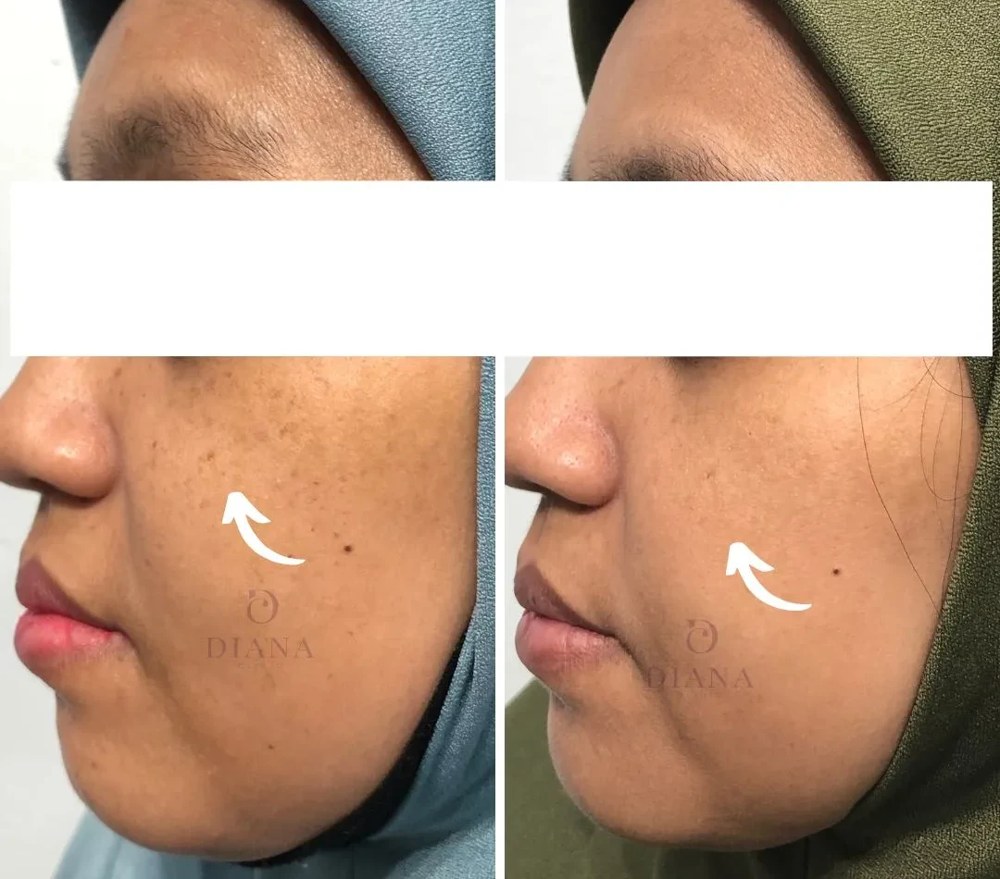
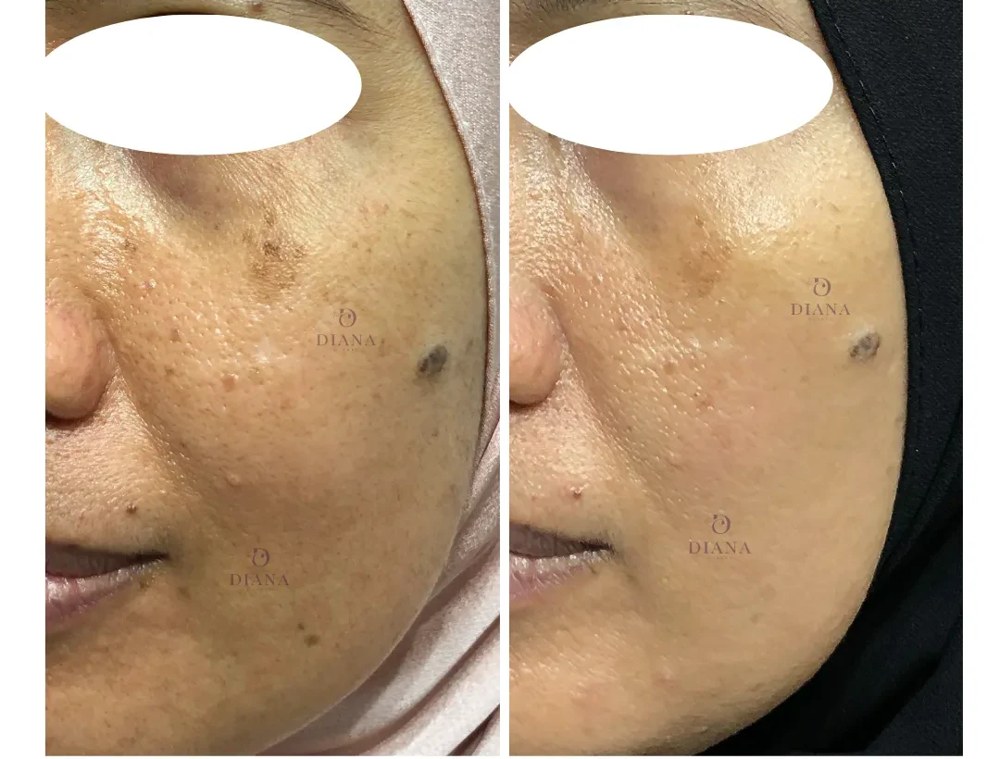
Results are individual and depend on skin type, pigmentation severity, and adherence to the treatment plan. Shown with patient consent.
Who will be treating my pigmentation?
Pigmentation cases at Klinik Dr Diana are assessed and treated by Dr Nur Diana and Dr Mohd Shahrill Effendy, both KKM-licensed doctors holding a Letter of Credentialing and Privileging (LCP) in aesthetic medicine.
Dr Nur Diana — MD, LCP (MOH Malaysia), PGCert in Primary Care Dermatology, PGCert in Aesthetic Medicine. Founder and lead aesthetic doctor at Klinik Dr Diana, with a clinical focus on pigmentation, acne, and skin restoration, and has completed multiple aesthetic courses in Malaysia and South Korea.
Dr Mohd Shahrill Effendy — MD, LCP (MOH Malaysia), PGCert in Aesthetic Medicine, PGCert in Aviation Medicine. Aesthetic doctor at Klinik Dr Diana, and has completed multiple aesthetic courses in Malaysia.
Possible side effects
Possible effects vary by treatment type. Topical or oral medication and supplements should be monitored by the treating doctor. Exfoliation treatments and PICO laser may cause temporary redness, sensitivity, dryness, or flaking for a few days. Your doctor will explain what to expect for your specific treatment plan before proceeding.
Results vary depending on skin type, pigmentation type, depth, and severity, and an in-person assessment is required before any treatment plan can be confirmed. This page is for general educational information and does not constitute medical advice.
Ready to get your pigmentation assessed? Book a consultation at Bangi or Senawang.
WhatsApp UsFrequently asked questions
Can melasma be completely removed?
Melasma can be significantly lightened with consistent treatment and strict sun protection, but it is a chronic condition that tends to recur with triggers such as sun exposure and hormonal changes, so ongoing maintenance is usually part of long-term management.
Is PICO laser painful, or does it have downtime?
Most patients describe PICO laser as mildly uncomfortable, similar to light snapping sensations on the skin. Downtime is typically minimal, though redness or slight sensitivity for a day or two is common. A doctor will explain what to expect based on your skin and the area being treated.
How many sessions are usually needed to see improvement?
This depends on the type and depth of pigmentation. Surface-level pigmentation such as freckles or mild PIH may show change within a few sessions, while deeper pigmentation such as melasma or Nevus of Ota usually needs more sessions spaced over a longer period. A doctor will outline an expected range during consultation.
Can I get pigmentation treatment while pregnant or breastfeeding?
Some pigmentation treatments, including certain topical medications and procedures, are not suitable during pregnancy or breastfeeding. Inform your doctor if this applies to you so the treatment plan can be adjusted accordingly.
Will pigmentation come back after treatment?
Pigmentation can return if the original trigger, such as sun exposure or hormonal changes, isn't managed. This is why ongoing sun protection and a maintenance skincare routine are included in every treatment plan.
How is pigmentation different from acne scars?
Pigmentation refers to flat areas of discolouration caused by excess melanin, while acne scars involve changes in skin texture from tissue damage. The two can occur together, and a doctor will assess both separately as they often need different treatment approaches.
Further reading